In 2026, the philosophy of setting the table has shifted. Gone are the days when a "good set of china" meant a rigid, 12-piece matching white porcelain collection kept behind glass doors. Today, tableware is an extension of personal style, blending high-performance durability with an artisanal aesthetic.
Whether you are looking to invest in heirloom-quality bone china or durable stoneware for a busy family, this guide breaks down everything you need to know about materials, shapes, and the emerging "imperfect" trends dominating the market this year.
1. Assessing Your Lifestyle: The "Before You Buy" Checklist
Before diving into materials, it is crucial to analyze how you actually eat. 2026 design trends favor "lived-in" luxury, but practicality remains king.
- The Daily User: If you have children or use your dishwasher multiple times a day, scratch resistance and thermal shock resistance are your priorities.
- The Host: If you host dinner parties, you might prioritize a "Mix & Match" capability—buying neutral base plates that can be dressed up with bold salad plates.
- The Space Saver: Those in apartments need to look at stackability. Rimmed plates often stack higher and more stably than modern organic shapes.
2. The Material World: Strength vs. Aesthetic
The most common confusion for buyers is the difference between ceramics. Why does one plate cost $5 and another $50? It usually comes down to the firing temperature and clay composition.
Bone China: The Deceptive Powerhouse
Don't let the name "china" fool you into thinking it's fragile. Bone china is actually the strongest ceramic material available. Made with at least 30% bone ash and fired at lower temperatures than porcelain but fully vitrified, it is lightweight, chip-resistant, and has a warm, milky translucency.
Verdict: Best for those who want one set to rule them all—elegant enough for Christmas, tough enough for Tuesday night take-out.
Porcelain: The High-Heat Hero
Porcelain is fired at extreme temperatures (often exceeding 2,300°F). It is non-porous and incredibly durable. Unlike bone china, it is usually an opaque bright white (unless glazed).
Verdict: The standard for restaurants. If you want bright white, hotel-style durability, this is it.
Stoneware: The 2026 Aesthetic Favorite
Stoneware is fired at a lower temperature than porcelain, resulting in a slightly more porous and thicker body. However, this allows for the rich, reactive glazes and matte finishes that are trending in 2026.
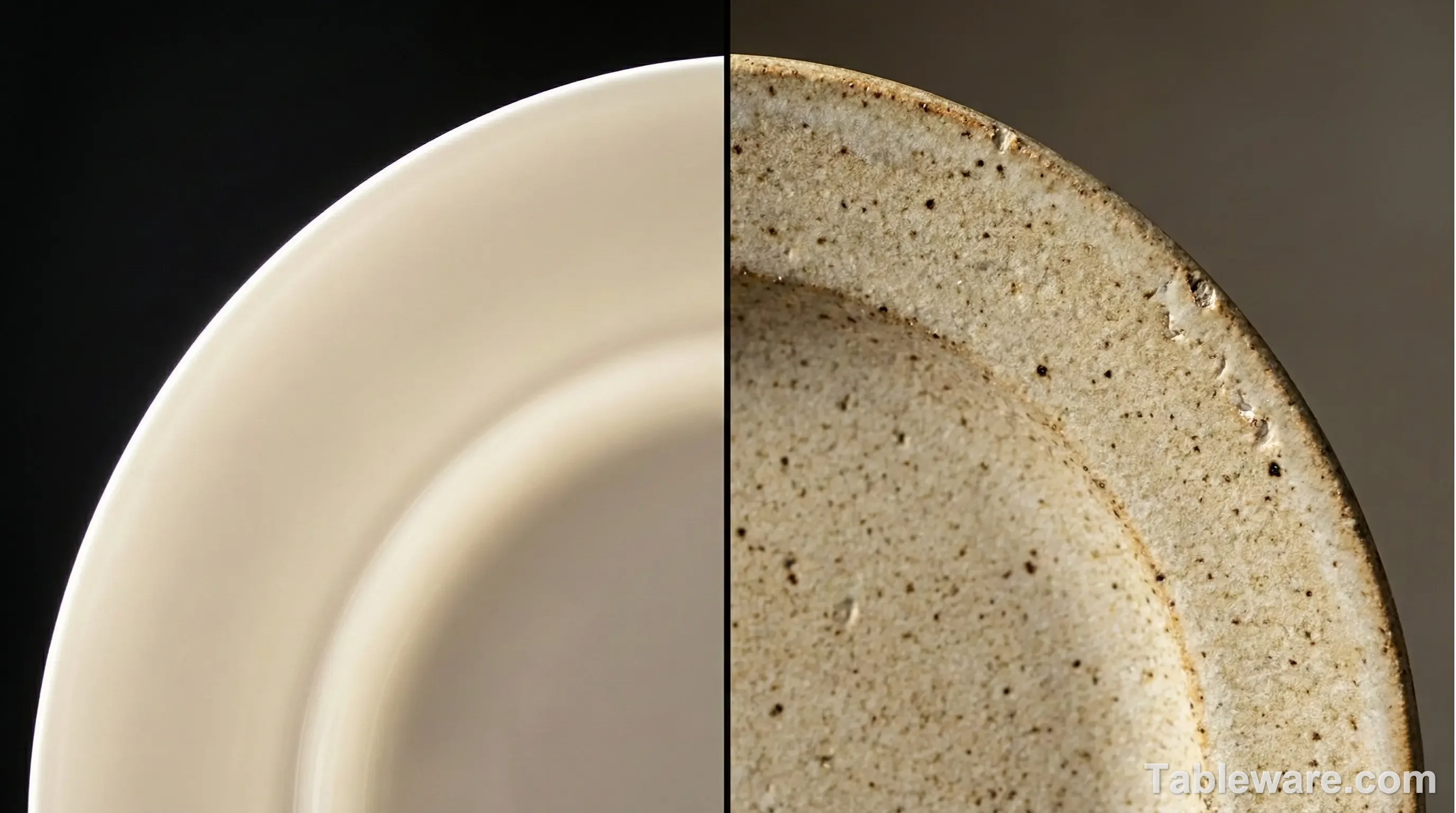
Fig 1. Material texture is key. Bone china (left) offers a refined translucency, while Stoneware (right) provides a grounded, substantial feel popular in modern earthy aesthetics.
Verdict: Perfect for the "rustic modern" look. It is durable but can be prone to "silverware marking" (grey scratches) on matte finishes if the glaze isn't high quality.
3. Shape Guide: Rim vs. Coupe
The silhouette of your plate affects not just the look, but the dining experience.
- Rimmed Plates: The traditional choice. The wide lip frames the food like a picture and provides a cool place to hold a hot plate. Great for catching runaway peas or sauces.
- Coupe Shapes: The modern minimalist choice. These are rimless with a slight curve up at the edge. They offer a larger surface area for plating food, making portions look generous.
In 2026, we are seeing a hybrid: the "Semi-Matte Organic Coupe." These plates are not perfectly round; they feature slightly wavering edges that mimic hand-thrown pottery.
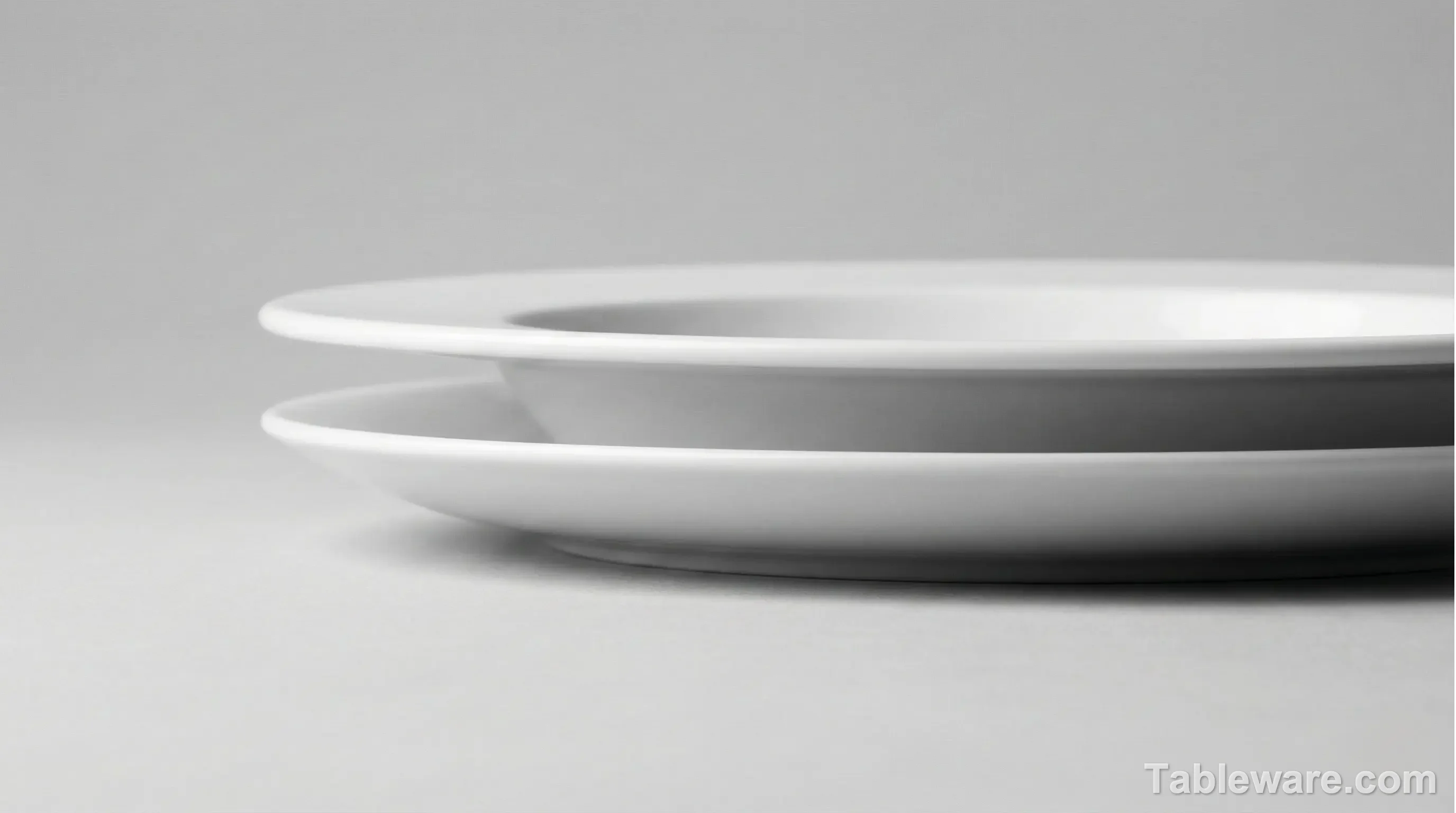
Fig 2. The profile defines the utility. Rimmed plates (top) frame small portions elegantly, while Coupe plates (bottom) offer a blank canvas for creative plating.
4. 2026 Design Trends: The "Perfectly Imperfect"
If you are buying this year, you will notice a departure from factory perfection. The "Wabi-Sabi" influence—finding beauty in imperfection—is the dominant trend.
Earth Tones & Reactive Glazes
Stark white is taking a backseat to warm neutrals. Look for:
- Sand Beige & Oatmeal
- Terracotta & Burnt Sienna
- Moss Green & Deep Olive
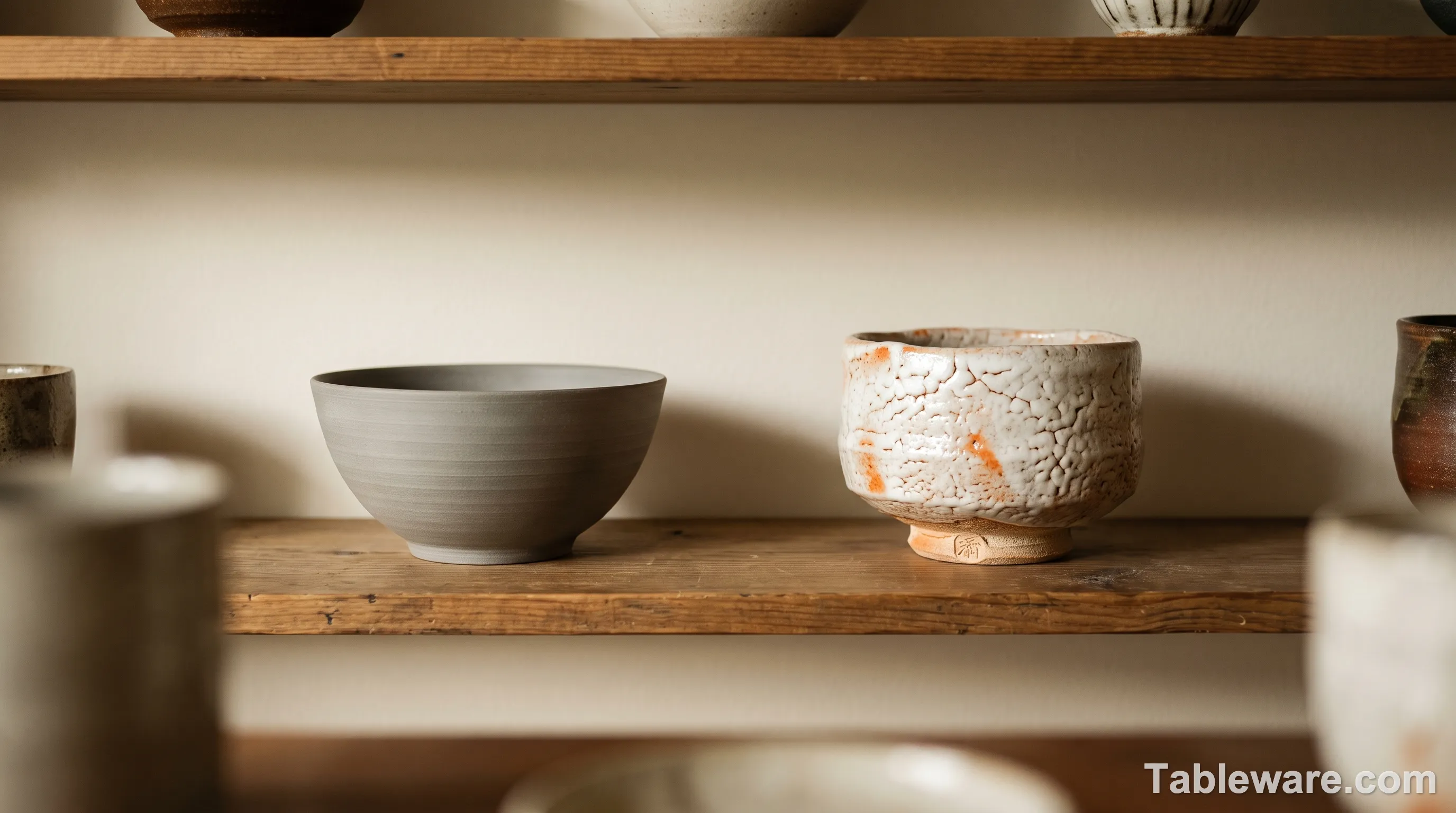
Reactive glazes, which change color during firing to create unique speckles and drips, ensure that no two plates are exactly alike. This adds character to the table without needing busy floral patterns.
The "Mix & Match" Revolution
Buying a 20-piece box set is becoming less common. The trend is to buy "open stock." This allows you to mix a matte black dinner plate with a speckled stoneware salad bowl. It creates a table that feels curated over time rather than bought in a single trip.
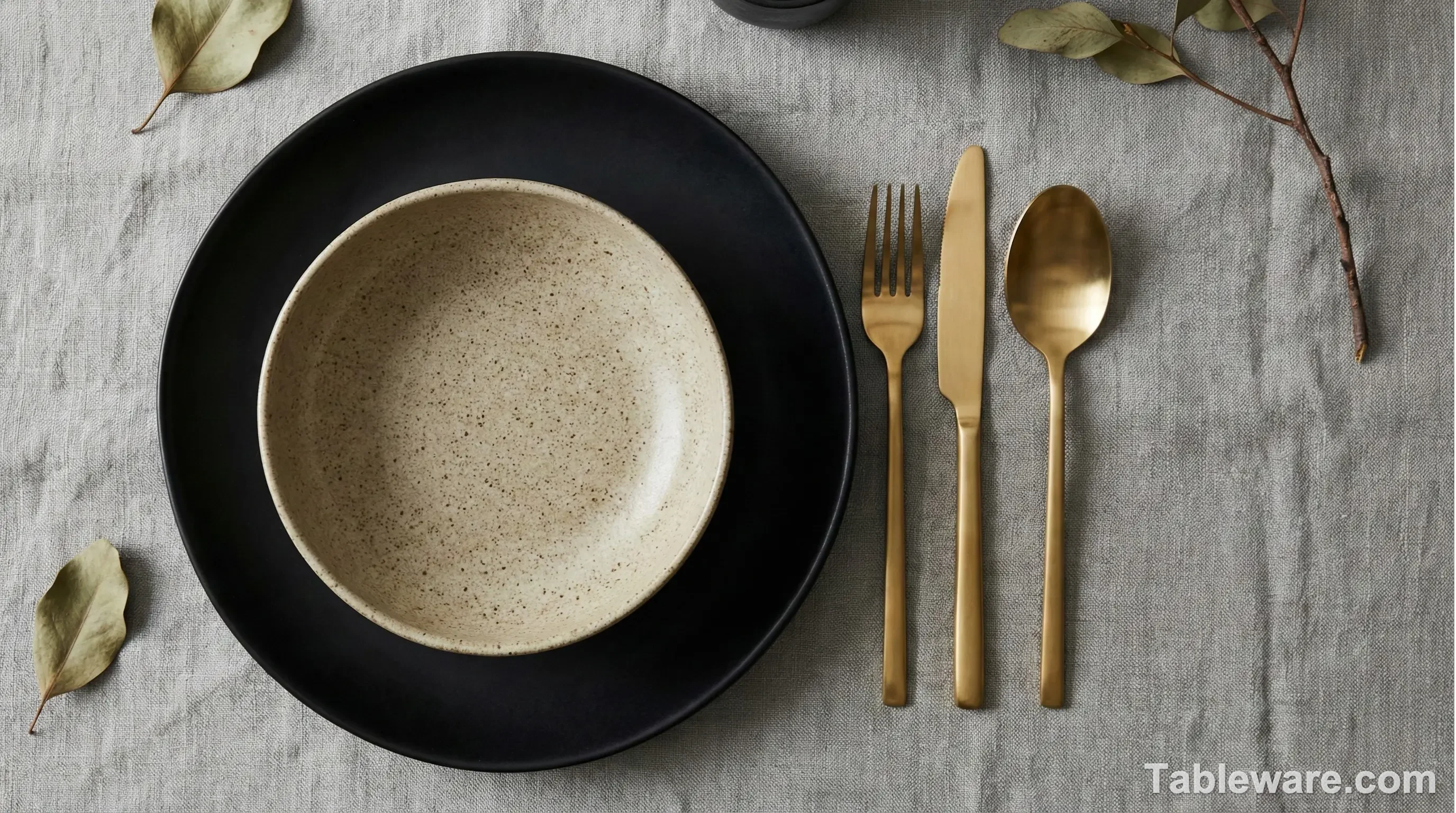
Fig 3. Mixing materials and colors is the hallmark of 2026 styling. Here, earthy terracotta tones pair with neutral stoneware for a warm, inviting atmosphere.
5. Buying Smart: The Quality Tests
When shopping in person, perform these three quick checks to ensure you aren't buying low-quality earthenware disguised as stoneware:
- The Ring Test: Tap the edge of the plate with a fingernail or a pen. High-quality, vitrified ware (Porcelain/Bone China) will have a clear, bell-like "ping." Low-fired porous ware will sound like a dull "thud."
- The Light Test: (For Bone China) Hold the plate up to a light source. You should be able to see the shadow of your hand through it. If it's opaque, it's likely heavy porcelain.
- The Stack Test: Stack three plates. Do they sit flat, or do they wobble? Warped plates are a sign of poor quality control during the firing process.
Conclusion
Choosing tableware in 2026 is about balancing the scientific durability of materials with the artistic desire for warmth and texture. Whether you choose the indestructible elegance of bone china or the trendy, tactile appeal of matte stoneware, remember that your tableware is the canvas for your daily nourishment. Choose pieces that bring you joy every time you open the cupboard.