Selecting "everyday dinnerware" is a surprisingly high-stakes decision. Unlike fine china brought out only for Thanksgiving or heirloom crystal used for toasts, everyday plates are the workhorses of the kitchen. They face the daily grind of breakfasts, hurried lunches, and family dinners. They must endure the dishwasher, the microwave, accidental clangs against the countertop, and the occasional drop by a sticky-fingered toddler.
But durability isn't everything. These are also the frames for the food you cook. They set the aesthetic tone of your dining table, whether that's a casual farmhouse vibe, a sleek minimalist look, or a retro feel.
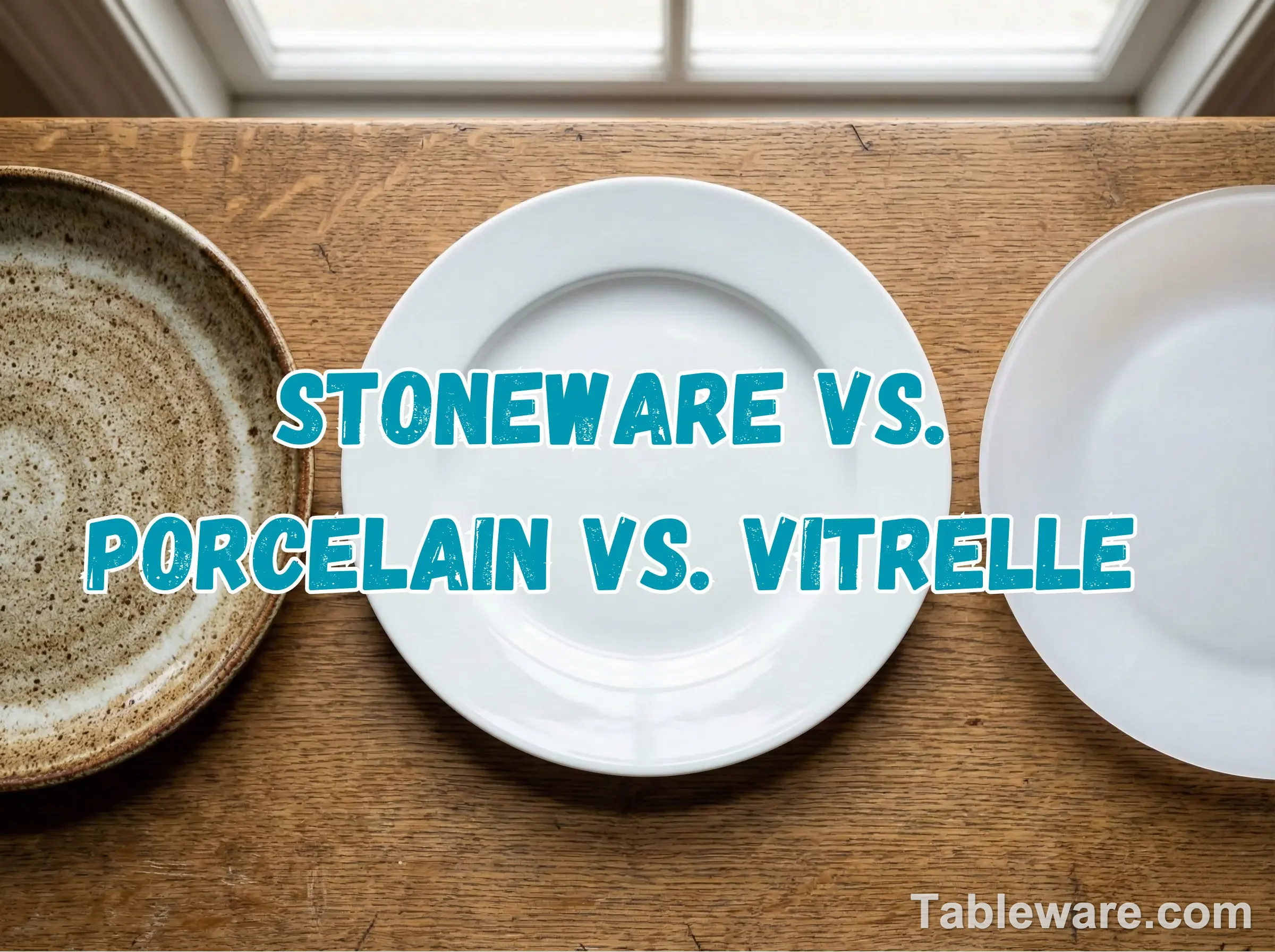
In this comprehensive review, we are pitting the three most popular materials for daily use against each other: Stoneware, Porcelain, and Vitrelle (the unique glass laminate most famously known as Corelle). We have analyzed them based on durability, weight, aesthetic versatility, price, and that intangible "feel" to help you determine which set is truly best suited for your lifestyle.
The Contenders at a Glance
Before diving deep into the review, it is essential to understand that "ceramic" is a broad category. How clay is fired, at what temperature, and with what additives radically changes the final product.
- Stoneware: Fired at high temperatures, it is dense, durable, and known for its earthy, rustic textures and reactive glazes.
- Porcelain: Fired at even higher temperatures from refined clay (kaolin), it is harder, less porous, often whiter, and can be made thinner than stoneware while retaining strength.
- Vitrelle (Laminated Glass): Not technically a standard ceramic. It is a unique three-layer laminate of tempered glass. It is famous for being incredibly thin, lightweight, and resistant to breaking.
Contender 1: Stoneware – The Rustic Workhorse
Stoneware has seen a massive resurgence in popularity over the last decade, fueled by the "farm-to-table" movement and an appreciation for artisanal crafts. It gets its name because, once fired, the clay body becomes incredibly dense and stone-like.
The Look and Feel
Stoneware is the champion of texture and warmth. Because it is fired at high temperatures (usually between 2150°F and 2330°F), it becomes vitrified (non-porous), but it retains a thicker, heavier feel than porcelain.
The real magic of stoneware lies in the glazing. It is the preferred canvas for "reactive glazes"—glazes that change color and texture during the firing process based on how they flow and react with the heat. This means no two plates are exactly alike. If you love the look of speckled pottery, matte earthy tones, or deep, complex blues that look like an ocean, you are looking for stoneware.
It feels substantial in the hand. There is a comforting heft to a stoneware mug or bowl that many people find essential for comfort food.
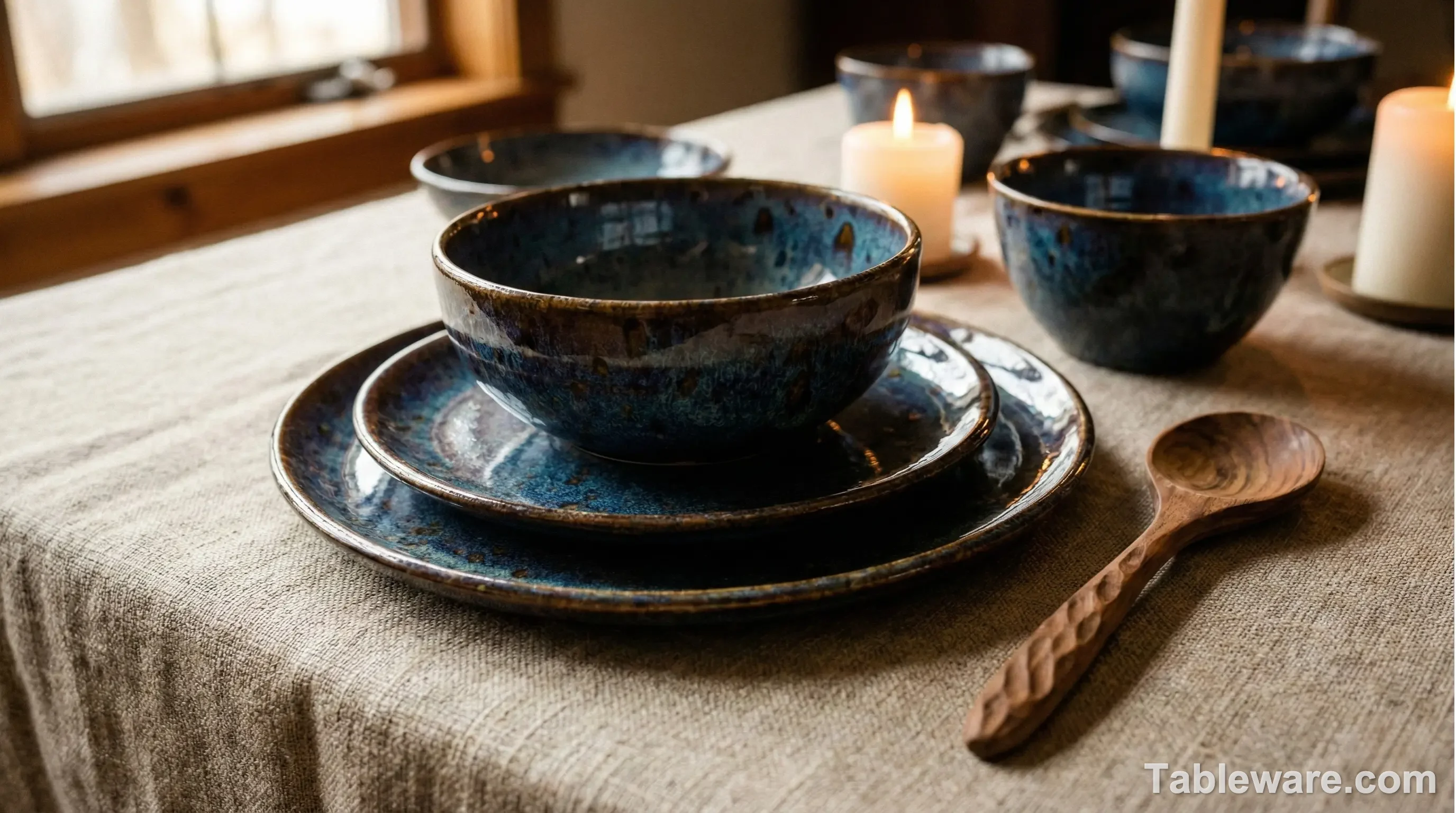
Fig 1. The appeal of stoneware often lies in reactive glazes, creating unique, varied patterns and a handcrafted feel that adds warmth to everyday meals.
The Performance Review
- Durability (Chipping): Stoneware is very durable and resistant to general cracking. However, because the rims are often thicker, they can be prone to chipping if banged hard against the edge of a dishwasher or a quartz countertop.
- Thermal Shock: Generally good, but not impervious. It is microwave and dishwasher safe. However, you should avoid extreme, sudden temperature changes (like taking a dish from the freezer and putting it directly into a hot oven), which can cause cracking in some stoneware bodies.
- Heat Retention: Excellent. Because the material is dense and thick, it holds heat well, keeping your pasta or soup warm for longer once served.
- The "Hot Pot" Factor: One downside to stoneware's density is that it absorbs microwave energy more than other materials. A stoneware bowl used to reheat soup for three minutes will often emerge extremely hot to the touch, sometimes hotter than the soup inside.
The Verdict on Stoneware
Stoneware is the best choice for those who prioritize aesthetics, texture, and a cozy, substantial feel. It is durable enough for daily use, provided you aren't overly aggressive loading the dishwasher. It suits the "foodie" who wants their plating to look Instagram-ready.
Contender 2: Porcelain – The Elegant Compromise
Often confused with stoneware, porcelain is a step up in terms of refinement and firing temperature. Traditionally associated with fine dining, modern manufacturing has made "durable porcelain" or "hotel ware" a top contender for everyday use.
The Look and Feel
Porcelain is made from a more refined clay mixture, primarily kaolin. It is fired at the highest temperatures (often exceeding 2300°F). The result is a material that is incredibly hard, completely non-porous, and has a smooth, often glassy surface.
Unlike the earthy variety of stoneware, porcelain is prized for its bright, clean white color. While it can be glazed with colors, the quintessential porcelain look is minimalist white. This offers a blank canvas that lets the food be the star of the show.
Porcelain can be crafted thinner than stoneware without sacrificing strength. It feels sleeker, cooler, and more refined in the hand. If stoneware is a cozy sweater, porcelain is a tailored white shirt.
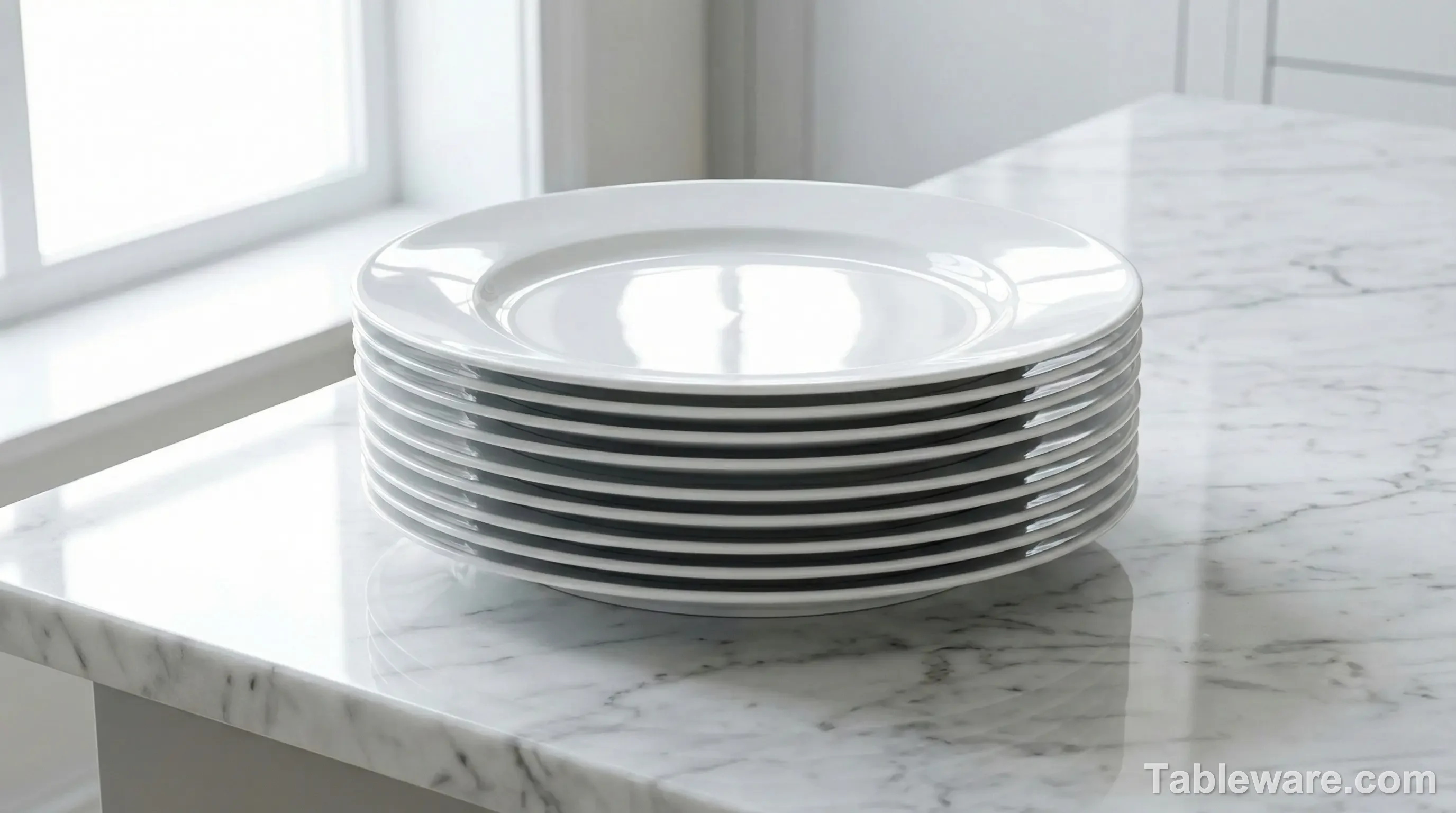
Fig 2. Porcelain offers a cleaner, thinner profile than stoneware. Its non-porous surface is incredibly hygienic and resistant to cutlery marks.
The Performance Review
- Durability (Hardness): Porcelain is harder than stoneware. It is incredibly resistant to scratching from knives and forks. You will rarely see those gray metal marks on high-quality porcelain that plague cheaper ceramics.
- Durability (Brittleness): While harder, porcelain can sometimes be more brittle. When it fails, it may not chip like stoneware; it might snap or crack cleanly. However, modern "fortified" porcelain used for everyday ware is engineered to be exceptionally tough.
- Microwave Use: Porcelain is generally better in the microwave than stoneware. It doesn't absorb microwaves as readily, so the plate stays relatively cooler while the food heats up.
- Versatility: Porcelain is often more thermal-shock resistant than average stoneware and is frequently oven-safe up to higher temperatures (always check the manufacturer's rating).
The Verdict on Porcelain
Porcelain is the ideal balance for the modern home. It offers a clean aesthetic that matches any decor and provides superior hardness and scratch resistance. It is best for those who want dinnerware that looks elegant for a dinner party but is tough enough for Tuesday night tacos.
Contender 3: Vitrelle (Corelle) – The Practical Miracle
Vitrelle is the outlier here. It is the proprietary material used by the brand Corelle. It is not a traditional clay ceramic born from a kiln in the same way. It is a laminate created by thermally bonding three layers of glass: a core layer sandwiched by two "skin" layers. This process creates tension within the material that gives it unique properties.
The Look and Feel
This is where Vitrelle is most divisive. It does not look or feel like pottery. It is incredibly, almost precariously, thin. When you pick up a stack of ten Vitrelle plates, it weighs less than a stack of four stoneware plates.
The surface is very smooth and glassy. When set down on a hard table, it makes a distinct higher-pitched "clink" rather than the dull thud of ceramic.
Aesthetically, Corelle was long haunted by outdated floral patterns from the 1980s. While they have modernized significantly with solid white and simpler geometric patterns, the material itself doesn't offer the depth of glaze found in stoneware or the substantial elegance of porcelain. It looks functional.
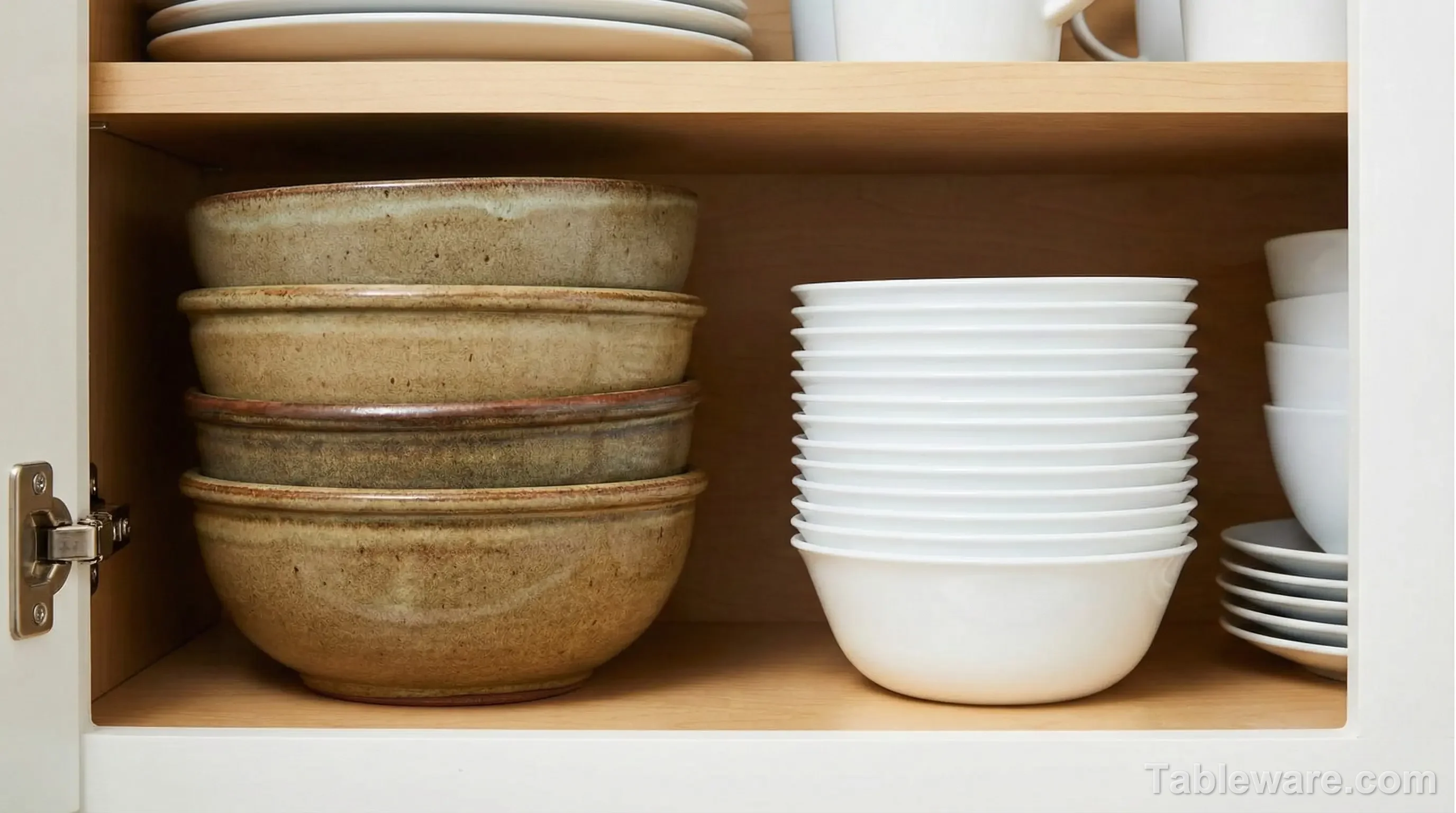
Fig 3. The superpower of Vitrelle glass laminate is its thinness. You can stack a service for twelve in the same vertical space as a service for four of stoneware.
The Performance Review
- Durability (Drops and Knocks): This is Vitrelle's legendary selling point. It is astoundingly resistant to chipping and breaking from everyday drops onto linoleum or wood floors. For families with young children learning to set the table, it is a game-changer.
- The Failure Mode: However, it is tempered glass. When it does break (usually onto tile or concrete), it doesn't just crack; it explodes into hundreds of tiny, sharp shards. It happens rarely, but it is memorable when it does.
- Ergonomics and Storage: It is the undisputed king of storage. Because the plates are so thin and nest so tightly, you can fit a massive amount of dinnerware into a small cabinet. The light weight makes unloading the dishwasher a breeze, especially for elderly users or those with wrist issues.
- Heat Retention: Poor. Because it is thin glass, food cools down on Vitrelle much faster than on stoneware or porcelain.
The Verdict on Vitrelle
Vitrelle is a pragmatic choice. If your priorities are maximizing cabinet space, minimizing weight, and ensuring kids won't chip the plates doing chores, it has no equal. It sacrifices the "premium feel" of ceramic for pure functional brilliance.
Head-to-Head Comparison Summary
| Feature | Stoneware | Porcelain | Vitrelle (Corelle) |
|---|---|---|---|
| Material Base | Clay (Fired High) | Refined Clay/Kaolin (Fired Highest) | Laminated Tempered Glass |
| Weight/Feel | Heavy, substantial, rustic texture. | Medium weight, smooth, refined. | Very light, thin, glassy feel. |
| Chip Resistance | Good, but thick rims can chip. | Excellent (very hard). | Superior. |
| Break Resistance | Moderate. | Moderate to High. | Superior (but catastrophic if it fails). |
| Scratch Resistance | Moderate (can show metal marks). | Excellent. | Excellent. |
| Microwave Pot Holder Needed? | Usually Yes (gets hot). | Sometimes. | Usually No (stays cooler). |
| Storage Efficiency | Poor (stacks high). | Moderate. | Excellent (stacks very compact). |
| Aesthetic Vibe | Cozy, artisanal, earthy. | Sleek, classic, minimalist. | Functional, simple, sometimes dated. |
Final Buying Advice: Which Set belongs in Your Cabinet?
The "best" everyday dinnerware depends entirely on the realities of your household and what brings you joy when setting the table.
Choose Stoneware if: You love the ritual of meals and the sensory experience of pottery. You want your table to feel warm and inviting. You are willing to handle plates with a bit more care and have ample cabinet space to accommodate thicker stacks. The aesthetic payoff of beautiful reactive glazes is worth the extra weight to you.
Choose Porcelain if: You want the best all-rounder. You prefer a clean, white canvas for your food that won't scratch over time. You want something durable enough for daily abuse but elegant enough to host a nice dinner party without needing a second set of "good china." You want the hardness of professional-grade dinnerware.
Choose Vitrelle (Corelle) if: Practicality is your number one priority. You have limited storage space in your kitchen. You have young children helping in the kitchen, or you find heavy stoneware dishes difficult to lift into upper cabinets. You view dinnerware as a functional tool rather than a decor statement and want something that is almost impossible to chip in normal use.
Ultimately, everyday dinnerware is something you will touch multiple times a day for years. Whether you choose the rustic heft of stoneware, the sleek resilience of porcelain, or the lightweight miracle of Vitrelle, ensure you choose a set that you enjoy looking at even when it's sitting in the dishwasher rack.