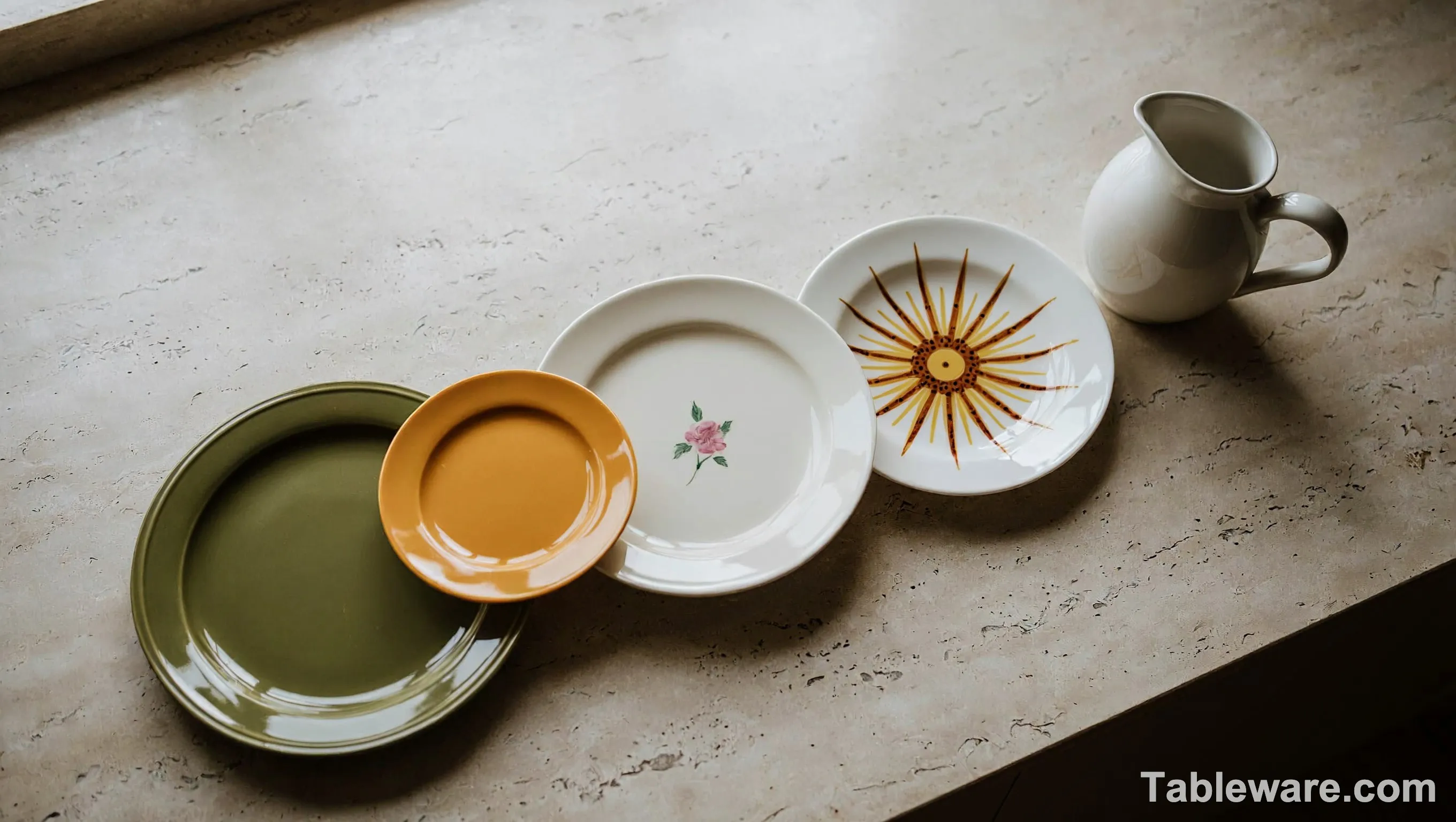
Kids Dinnerware: Why Your Child's Plates Crack, Warp and Leach
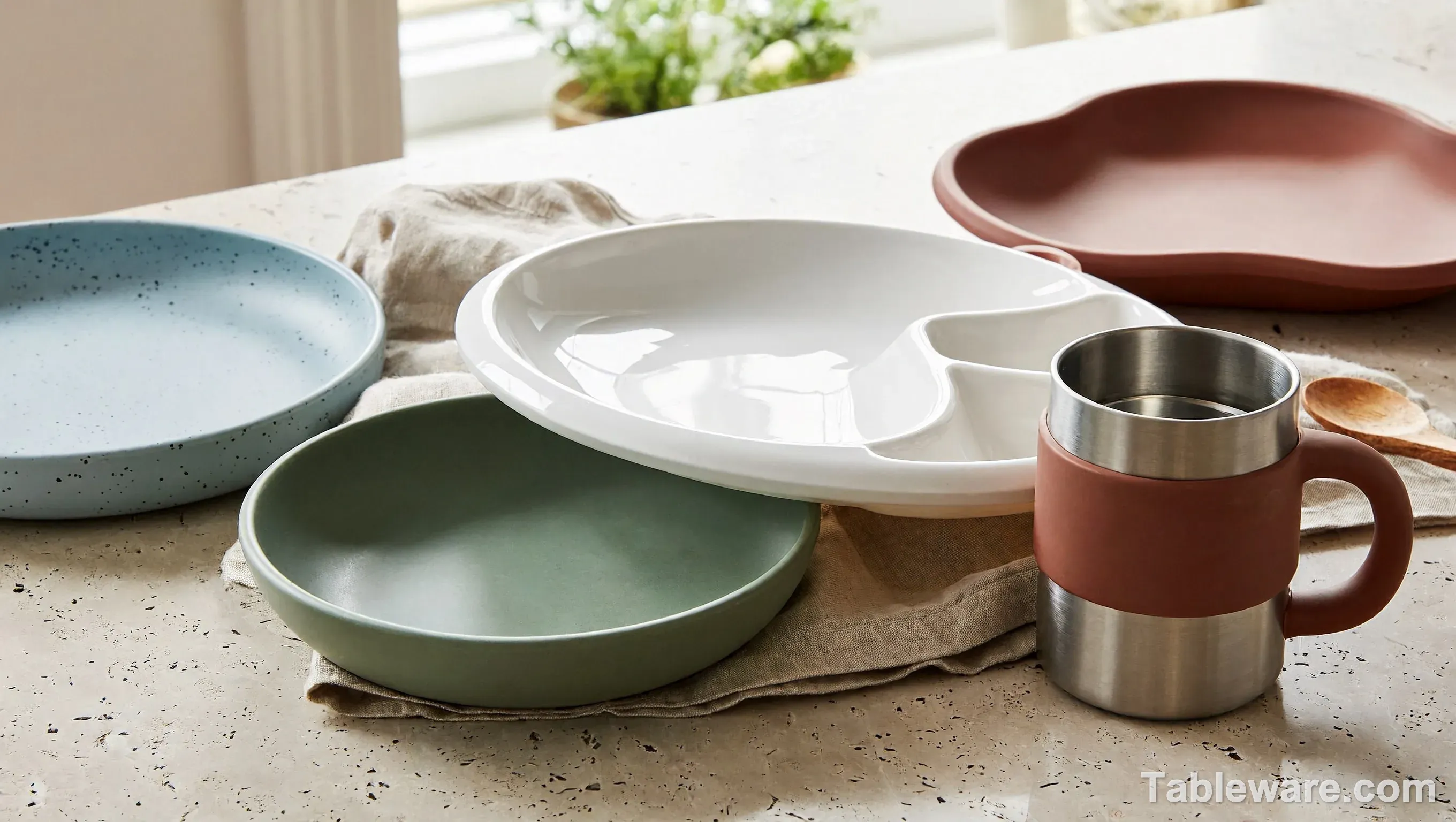
Fig 1. Five materials, one table. The price gap between the cheapest set and the most expensive is about twenty dollars. The performance gap is much larger.
Choosing kids dinnerware is easy in the way that picking between two colors of the same plastic is easy. The gap between a $3 polypropylene plate and a $59 premium set is about $56. The gap between getting it right and getting it wrong is a plate on the floor every week for three years.
Here's a scene I know well. It's 6:40pm on a Wednesday, dinner is on the table, and somewhere behind you a ceramic plate is hitting the floor for the fourth time this week. Not shattering. Just chipping. But that chip is the beginning of the end — a chip is a door, and what walks through it is hot tomato sauce and then, six months later, a plate that smells permanently of something you can't name.
I buy a lot of kids dinnerware. I've filled a closet with it for three kids across nine years, and I've thrown out enough cracked melamine and cloud-stained polypropylene to know where the failure points are. Here's the thing most buying guides for this category get wrong: they treat it as a style question. Melamine or ceramic? Plastic or silicone? Colorful or neutral?
It's not. It's a materials question, and the answers are written down in regulations that most of those guides never open.
So let's open them. Because "is melamine safe for kids dishes" has a much more specific answer than the internet usually gives you, and "are bamboo kids plates safe" has an answer that would surprise you.
What to Buy for Kids Dinnerware: Four Questions to Answer First
Before you look at a single product page, you need four answers. Get these wrong and no brand will save you.
How old is the child, really? Not how old they'll be next month. There's a step change around age three. Below three, everything goes in the mouth and the dish goes across the room. Above three, you're buying for a kid who can be trusted with a ceramic plate at a restaurant and will break it eventually anyway.
How often does food hit the plate hot? This is the question that quietly rules out an entire material category. A two-year-old eating room-temperature pasta is a different purchase from a nine-year-old eating soup from a bowl. Hot food is the dividing line between melamine and everything else.
Do you own a dishwasher, and do you use it? This sounds trivial. It isn't. A dishwasher is the single biggest factor in how long a plastic plate lasts, and the difference between a $6 set and a $60 set is mostly about whether the cheap set survives the machine.
How many place settings do you need? A 4-piece set is not a dinnerware set. Kids' plates get lost, chipped, eaten by the dog, and abandoned under furniture. A single place setting that's replaceable for $3 beats a matching 20-piece set you resent.
That's it. Four questions. Everything below is how to answer them once you know what you're shopping for.
Plastic (PP): The Default That Works
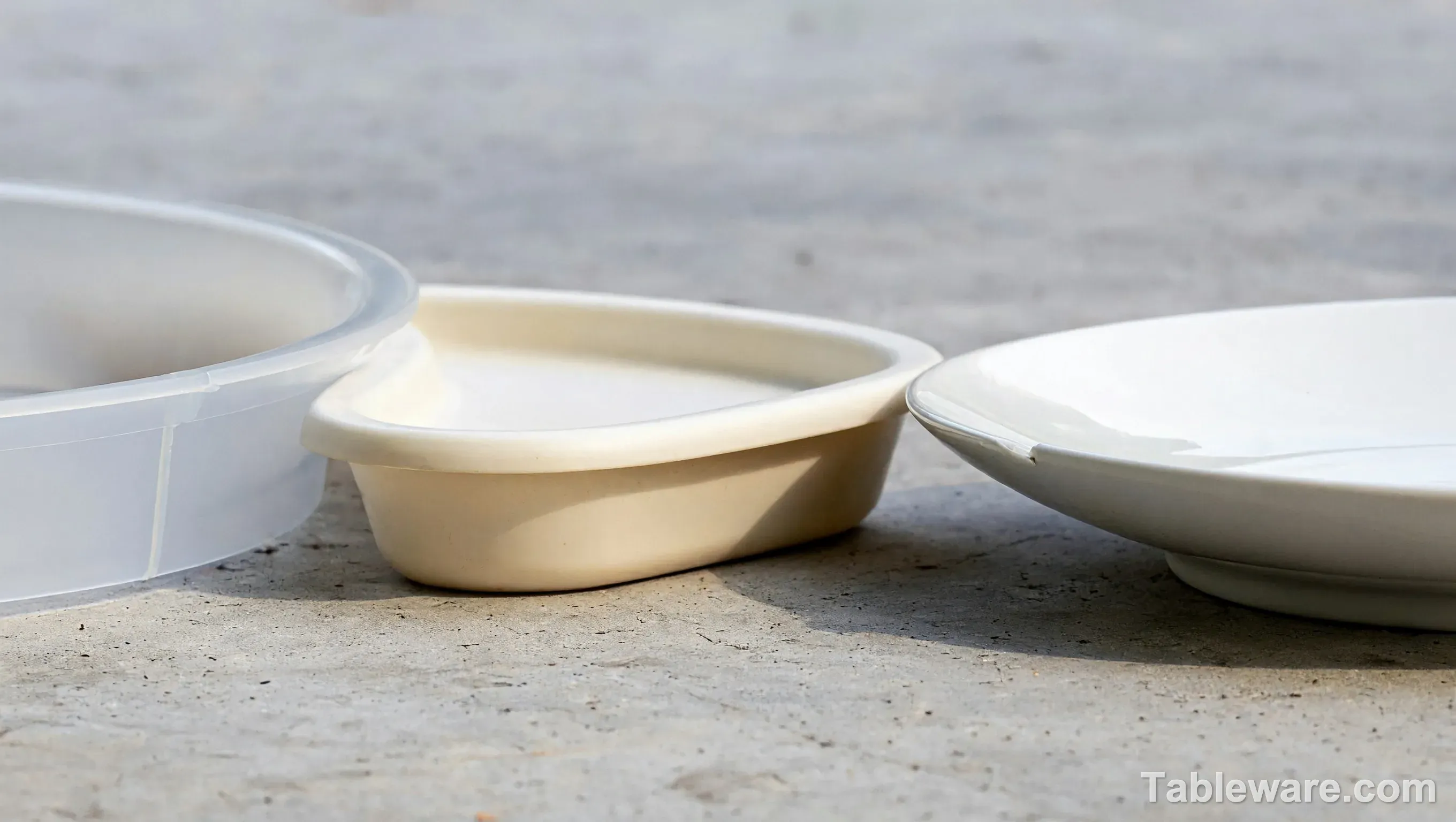
Fig 2. Three plates, photographed at rim level so you can see what you're paying for. The thin translucent one is polypropylene. The thick one in the middle is melamine. The thin sharp-footed one is porcelain.
Polypropylene is the resin in almost every plastic kids' plate that isn't melamine. Look on the bottom and you'll find the recycling triangle with a 5 in it. That's polypropylene, and it's the single best-value material in this whole guide.
It's covered by 21 CFR 177.1520, the FDA's regulation for olefin polymers. PP is BPA-free by composition — BPA lives in polycarbonate and PVC, not in polypropylene — which means "BPA-free" on a PP plate tells you almost nothing. Every PP plate is BPA-free. It's like putting "contains no blood" on a package of pasta.
What PP does give you: microwave safety (most grades), chemical resistance to acids and oils, and the lowest price of any material here. Target's own-brand Pillowfort divided plates were $3 for six when I checked in November. Walmart's "Your Zone" 24-piece set — four plates, four bowls, four cups, four trays, cutlery — was $14.99.
What BPA-Free Does and Does Not Tell You
I want to be blunt about this, because "BPA-free" has become the marketing equivalent of a knight's shield embroidered on a paper bag.
When the FDA amended its food-additive rules in 2012 and 2013 to remove authorisation for BPA-based materials in baby bottles, sippy cups and infant formula packaging, the basis was abandonment of use, not a safety finding. The agency still considers current approved BPA uses safe. And meanwhile, BPA has been on the hot seat for a decade, so every plastic manufacturer put "BPA-free" on the box, and every buying guide repeated it back to you like it was the safety certification.
What actually matters for a kids' plate:
- Resin code 5 (PP) means you know the polymer family. Good.
- No phthalates. US rules ban eight phthalates above 0.1% (1,000 ppm) in children's toys and child-care articles under 16 CFR 1307. PP dinnerware isn't a toy, but the resin in soft-touch grips and flexible silicone handles absolutely can be, and some cheap sets use PVC softeners.
- No lead in decoration. See the ceramic section — the same physics applies to printed decals on plastic.
If a product page shows you a resin code, a country of origin, and a compliance statement, that's a serious product. If it shows you a picture of a smiling toddler and the word "BPA-FREE!" in a sunburst, you're reading marketing.
Dishwasher-Safe Kids Plates: What "Top Rack Only" Actually Means
Here's the number that matters: NSF/ANSI 184 requires a final sanitising rinse of at least 150°F (66°C) for a dishwasher to earn a sanitise claim on its label. A normal residential wash cycle runs 120–140°F. The heated dry element pushes the top rack higher than the wash water does.
If you're shopping specifically for dishwasher safe kids plates, the label language matters more than the brand name. "Top rack only" is the phrase you're looking for — and its absence is worth asking about.
Polypropylene softens around its service limit. It doesn't melt in a dishwasher — it distorts, bows, and eventually goes cloudy and brittle. So the rules are simple:
- Top rack only. Always. Not "top rack if you feel like it."
- Skip heated dry. Air dry or prop the door open.
- Skip the sanitise cycle if the machine has one.
- Inspect for cloudiness. Once PP turns cloudy and matte, it has been heat-stressed. Replace it.
I have a set of Pillowfort plates that have survived four years of top-rack, no-heated-dry washing. They look new. I also have a set I put on the bottom rack for a year because I didn't read the label, and they warped enough that the plate no longer sits flat on the table. Same brand. Same price. Different shelf.
Is Melamine Safe for Kids' Dishes? Unbreakable, and Strictly a Cold-Food Material
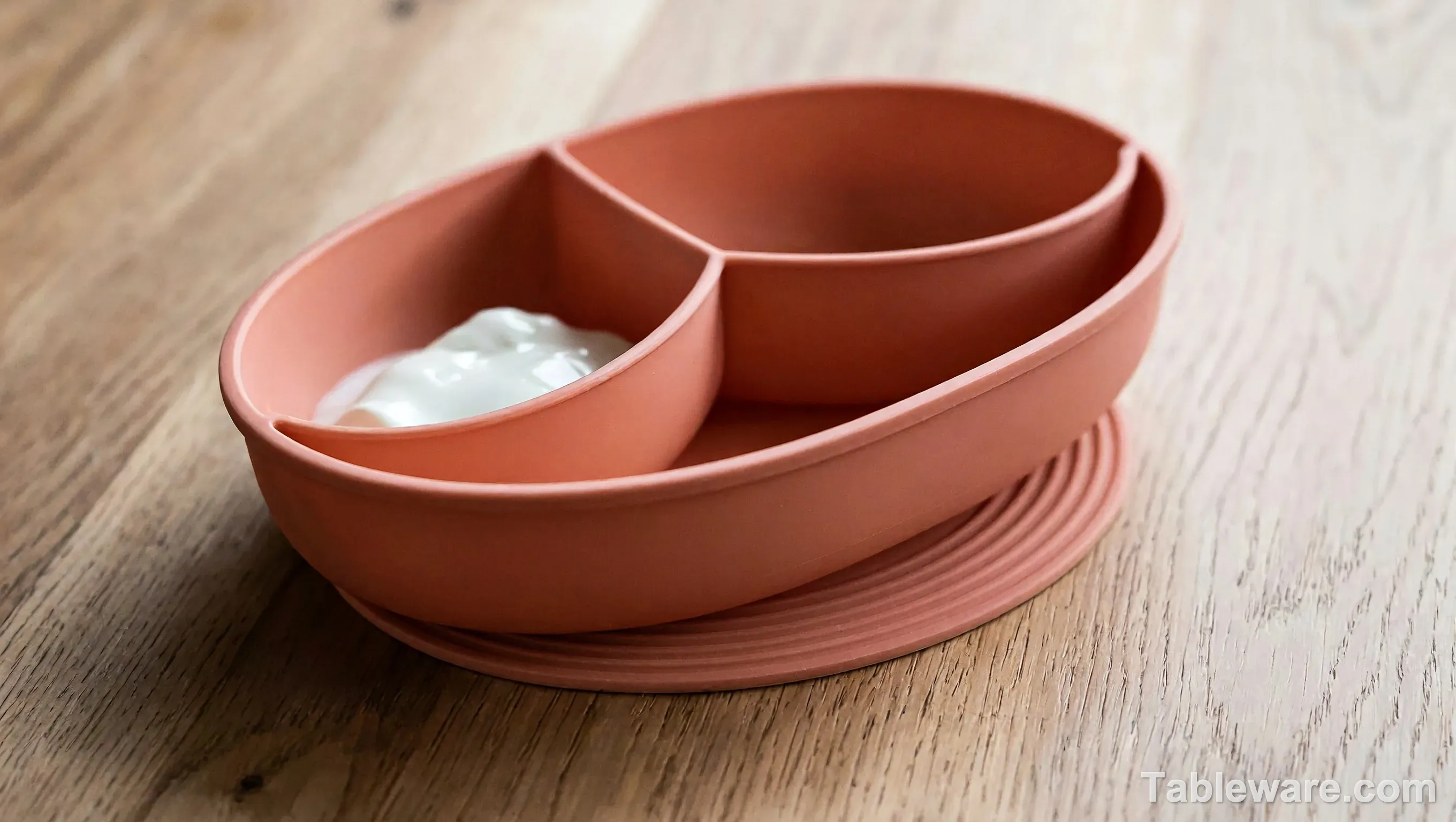
Fig 3. Silicone wins on grip and on heat tolerance. It loses on stiffness, on stacking, and on the fact that it holds onto grease.
Melamine is the material people actually mean when they say "kids' plates" — the white, glossy, hard, impossibly light plates that have been in every school cafeteria and every Chinese restaurant since roughly the 1950s. It is also the single most misrepresented material in this guide. Let me give you the whole thing.
What it legally is. 21 CFR 177.1460 defines melamine-formaldehyde resin for use in molded articles: the resin is made by reacting 1 mol of melamine with not more than 3 moles of formaldehyde, and the finished article may yield no more than 0.5 mg per square inch of chloroform-soluble extractives from its food-contact surface.
What the FDA actually found. FDA's own melamine tableware review tested commercially available plates and cups. Melamine did not migrate into most foods. Migration was detected in 3 of 19 items, into acidic food held at 160°F for two hours. Adjust that to realistic use — cold orange juice, about fifteen minutes of contact — and you'd get under 10 parts per billion, roughly 250 times lower than the level of melamine considered safe in food. That's the FDA's position, and it's reassuring.
What the FDA also says. Foods and drinks should not be heated on melamine-based dinnerware in microwave ovens. And here's the part that rarely gets repeated: the agency's own framing is that the migration you measured at 160°F is not the migration you'll get from a cold plate.
What Germany's risk institute found. The BfR (Bundesinstitut für Risikobewertung) ran the largest set of real-world tests on the material, and its conclusion is firmer than most retail copy suggests. Long-term tests by the German state control laboratories showed that melamine-formaldehyde resin is not stable in contact with hot food — the plastic erodes and degrades. The BfR's position is that melamine tableware is not suitable for hot liquids (coffee, soup, infant formula) and not for microwaves, while noting there are no health concerns for cold or lukewarm food.
What actually gets rejected at the border. The EU's RASFF system publishes every food-contact alert. Recent melamine cases: a melamine snack bowl from China measured formaldehyde migration at 29.6 mg/kg against a permitted maximum of 15 mg/kg — a border rejection in Poland, May 2021. A melamine spoon from China measured 45 mg/kg and was destroyed at the Swedish border in July 2026. A melamine children's tableware set measured 18.6 mg/kg and was withdrawn from the German market.
The practical rules for melamine:
- Cold and lukewarm food only. No microwave. No boiling liquid. No hot soup.
- Replace it when it looks tired. The BfR's advice is to watch for visible wear and replace damaged items, because a scratched surface is a rougher migration path.
- Buy from a seller who will name the resin grade. Cheap melamine sometimes substitutes urea-formaldehyde resin for melamine-formaldehyde. UF is not on the allowed resin list in Chinese food-contact rules, and it releases formaldehyde and ammonia under heat, with migration over limits by an order of magnitude.
- Mind the acid. Tomato sauce, citrus, vinegar, and hot soup are the aggressive simulants in migration testing — 3% acetic acid at 70°C for two hours is the standard test, and repeat-use articles are judged on the third migration cycle.
Is melamine safe for kids' dishes? For cold food, from a reputable manufacturer, used as intended: yes, and the regulatory data supports it. For hot food, in a microwave, or from a dollar bin: no, and the enforcement data supports that too.
I've covered the chemistry in more depth in is melamine dinnerware safe — including BPA, formaldehyde, and Tritan comparisons.
Ceramic and Porcelain: Safe for Heat, and the Glaze Is the Actual Risk
Ceramic and porcelain handle heat perfectly. That's their whole case. They also shatter, and they carry the only material risk in this guide that can cause serious harm: lead in the glaze.
I need to be careful here, because the US rules create a trap. Under CPSIA, total lead in accessible component parts of children's products is capped at 100 ppm, and lead in paint and similar surface coatings at 90 ppm. But 16 CFR 1303.2(b)(1) expressly excludes ceramic glazes and plating from the definition of "paint or similar surface coating."
So the lead rule that most people assume protects them doesn't cover the glaze on a ceramic kids' plate. Your protections there are the FDA food-contact rules and California's Proposition 65.
Glaze, Lead and Prop 65
The California Attorney General's settlement with tableware manufacturers set the actual leachable-lead limits:
- 0.226 ppm for flatware — that's plates
- 0.100 ppm for all other tableware — bowls, cups and mugs, pitchers, serving pieces
Note that plates get a looser number than bowls and mugs. That's because plates see less acid per serving than a mug full of orange juice. Under Prop 65, lead has a safe-harbour MADL of 0.5 µg/day for reproductive toxicity and a cancer NSRL of 15 µg/day.
Two things worth internalising:
- Lead cannot be boiled, soaked in vinegar, or bleached out of a glaze. It is bound into the glassy matrix. If a piece has leachable lead, the only fix is the bin.
- Acidic food leaches lead dramatically faster. A plate is fine for dry pasta. The same plate holding tomato sauce for an hour is a different experiment. This is also why decorative vintage plates — the kind you'd find at an estate sale — deserve more suspicion than modern ones, not less. If you want to know how to read the marks on older pieces, how to identify spatterware and stickware is a good place to start.
Crazing: When a Craze Line Is a Hygiene Problem, Not a Cosmetic One
Crazing is a network of fine cracks in the glaze. Most of the time it's cosmetic. If the crack network reaches the clay body underneath, though, the piece holds moisture and bacteria in a place detergent can't reach, and the glaze can continue to flake into food.
The tell is simple: run your fingernail across it. If you can feel the line, it's a craze. If the line is where liquid sits and the surface feels rough or gritty, that piece has gone too far. There's more on this in is crazing on dishes dangerous.
For a three-year-old, my rule is: a craze in the eating surface of a plate is a replacement trigger, not a "monitor it" situation. Kids eat off that surface dozens of times a week.
If you want stoneware that survives a kid and still looks like adult dinnerware, Fiesta vs. Pfaltzgraff vs. Corelle is the comparison I'd point at. Corelle's Vitrelle is a melamine-based composite, so it lands in the melamine category for heat purposes even though it feels like ceramic.
Silicone: The Suction-Plate and Sippy-Cup Material
The honest comparison — silicone vs melamine plates for kids — comes down to three words: grip, heat, and grease.
Silicone handles heat better than anything else here. Food-grade silicone runs from roughly −40°C to 220°C. That's why it dominates the suction-plate category: a silicone plate with a suction base sticks to a high-chair tray, and a melamine plate cannot be made to grip a tray like that. The trade-off is that silicone is soft. It flexes, it doesn't stack well, it doesn't have a satisfying rim, and it holds onto grease in a way that polypropylene does not.
The pinch test. Unfilled or "pure" silicone feels slightly tacky and returns slowly after you squeeze it. Filled silicone — silicone with a filler blended in to save money — feels more like a standard plastic and springs back fast. It's a crude test, but it catches a lot of cheap filler.
Silicone is also the right material for cups. For the cup question specifically, types of drinking glass breaks down the glass side, and Anchor Hocking vs. Libbey vs. Crate and Barrel glassware covers the real glassware options for older kids.
One thing silicone can't do: replace a plate. A silicone plate that has been through a few thousand dishwasher cycles turns tacky, picks up a slight smell, and loses its shape at the rim.
Are Bamboo or Wheat-Straw Kids' Plates Safe? What the Label Isn't Telling You
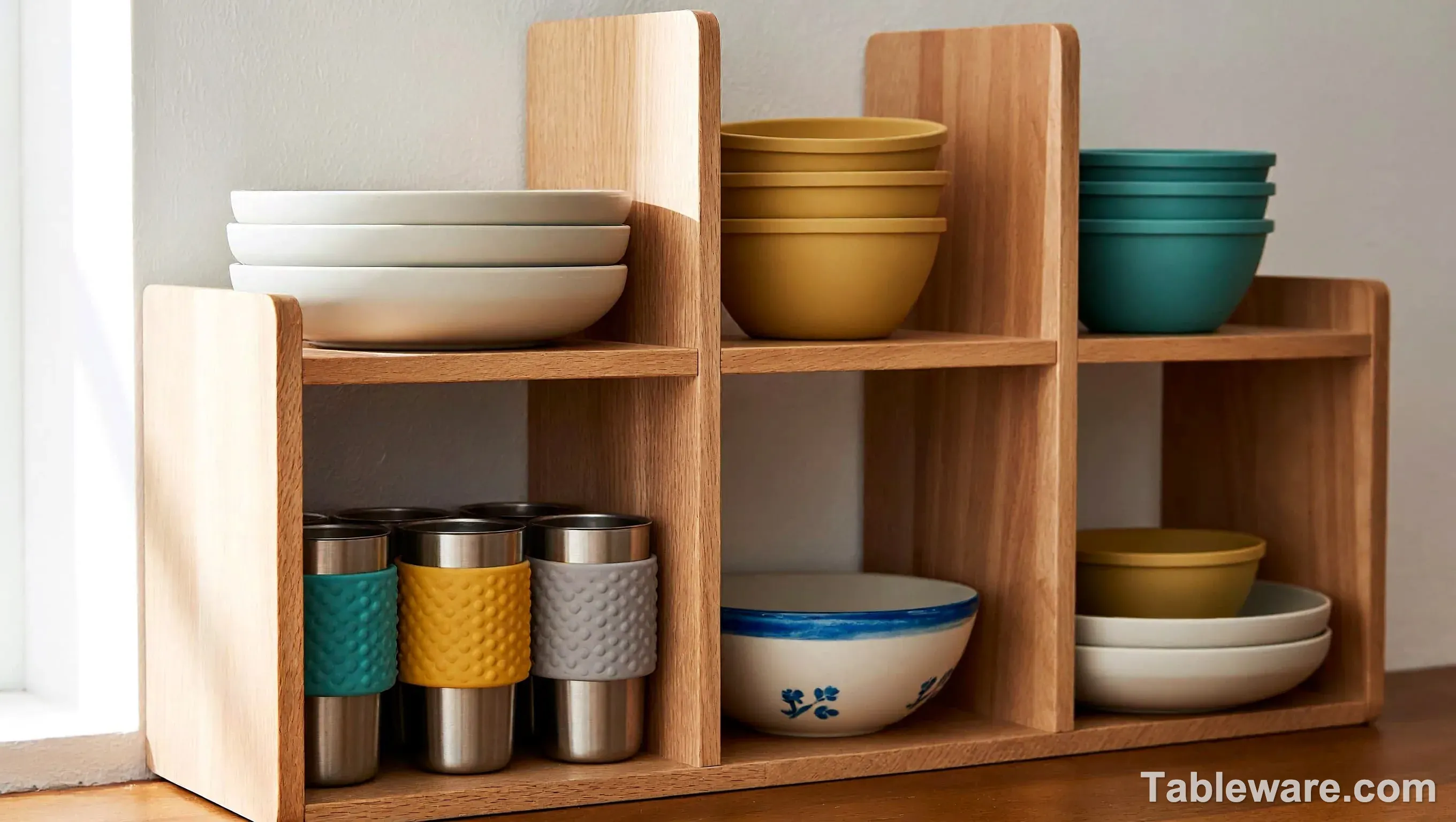
Fig 4. Everything on this shelf is called "bamboo" or "wheat straw" by somebody. Fewer than half of them are actually plant fiber. The rest are melamine resin with filler.
This is the one that makes parents angry, so let me be precise rather than loud.
A bamboo-fiber or wheat-straw kids' plate is not compressed bamboo. It is a thermoset resin with plant fiber added as filler. If the binder is melamine-formaldehyde, you have melamine dinnerware with straw in it. If the binder is polypropylene, you have PP with straw in it. Either way, the "plant-based" part is filler in a plastic matrix, not the material.
The Shanghai Consumer Council tested 30 melamine sets in a comparison study. Seventeen of them claimed bamboo fiber. Every one of those 17 was melamine-formaldehyde resin with filler. One bamboo kids' plate measured melamine migration at 1.5 mg/kg — inside the general limit of 2.5 mg/kg, but above the 1 mg/kg limit that China applies to food contact for infants, which is stricter than the EU's 2.5 mg/kg. Bamboo-fiber samples migrated up to roughly twice as much as ordinary melamine in 4% acetic acid at 100°C. One sample in the set contained urea-formaldehyde resin, which is not on the national allowed-resin list at all.
Germany's BfR tested this category even harder, across 366 cups and bowls for formaldehyde and 291 articles for melamine. Bamboo-fiber ware migrated up to 30% more formaldehyde and 100% more melamine than conventional melamine resin. For about a quarter of the bamboo samples, the health-based guidance value was exceeded by up to 30 times for adults and 120 times for children. The BfR recommended the EU cut the formaldehyde limit from 15 mg/kg to 6 mg/kg.
There's more here than you might expect, and none of it is hidden from you if you know where to look. The European Union's RASFF system is public and searchable, and it records the formaldehyde numbers for specific melamine products at specific borders. That RASFF data is where the 18.6 mg/kg children's tableware withdrawal came from, and where the 29.6 mg/kg bowl rejection and the 45 mg/kg spoon destruction came from.
The reason bamboo-fiber ware performs worse isn't mysterious. The filler changes how the resin cures and how it ages, and it gives the migration path more surface to work with.
How to Spot Melamine on a Spec Sheet and on the Bottom of the Plate
You don't need a lab. Look for these, in order:
- The resin marking. Chinese food-contact rules require the resin type marked on the product: MF for melamine-formaldehyde, UF for urea-formaldehyde, PP for polypropylene. If the bottom says nothing, assume the worst.
- The recycling triangle. A clear triangle with a 5 inside and "PP" underneath means polypropylene. Melamine has no recycling code — it's a thermoset and doesn't remelt. If a "bamboo" plate has a 5 on the bottom, it's PP with straw filler, which is the safer of the two bamboo options.
- Feel. PP is lighter and slightly flexible at the rim. Melamine is rigid, heavier for its size, and has a hard, glassy feel with a distinct molded seam.
- Heat. PP tolerates the microwave; melamine does not. If a "bamboo" plate claims microwave safety, that's evidence it's PP-based.
That last one is the fast test, by the way. Melamine and PP behave completely differently under a microwave, and it takes about forty seconds to tell them apart.
Safety Standards That Actually Apply: FDA, CPSC, Prop 65 and the EU
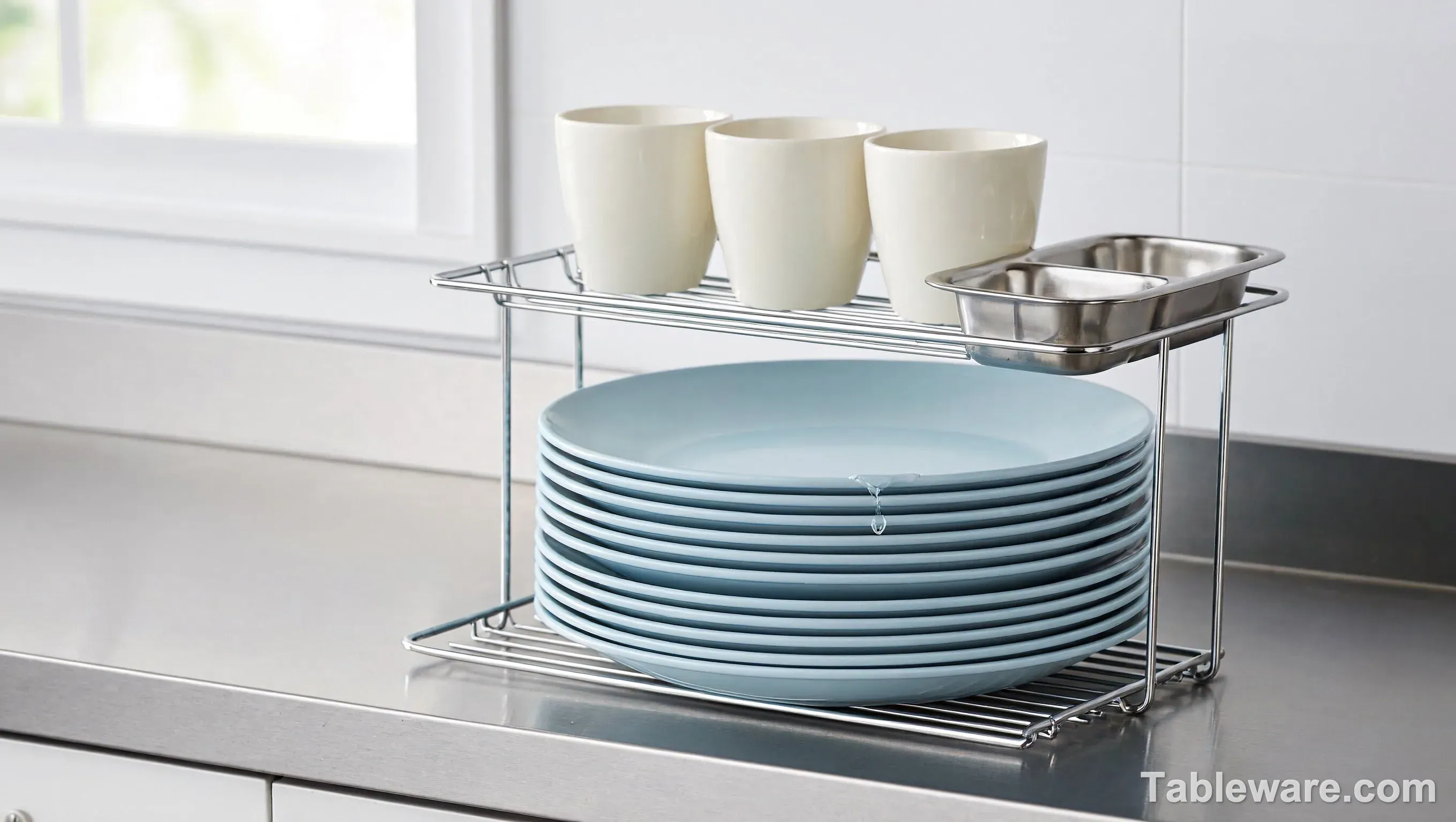
Fig 5. Ten minutes in a dishwasher does more damage to a kids' plate than a year of use. Rack choice and heated dry decide whether a set lasts three months or five years.
Here's the full regulatory map, because you should know which rule actually covers the thing in front of you.
FDA, United States. Food-contact materials are cleared under 21 CFR. Polypropylene is 177.1520 (olefin polymers). Melamine-formaldehyde resin for molded articles is 177.1460. The agency also enforces the melamine tableware guidance and the BPA food-contact position.
CPSC, United States. Total lead in accessible component parts of children's products: 100 ppm. Lead in paint and similar surface coatings: 90 ppm (0.009%). Eight phthalates — DEHP, DBP, BBP, DINP, DIBP, DPENP, DHEXP and DCHP — are prohibited above 0.1% (1,000 ppm) in children's toys and child-care articles. Children under three get a third-party tested Children's Product Certificate, not a manufacturer's word. And remember the carve-out: ceramic glaze and plating are not "paint" under this rule.
Proposition 65, California. Leachable lead of 0.226 ppm for plates and 0.100 ppm for other tableware. It's a Proposition 65 warning, not a recall, when a product exceeds the safe harbour — but for a child's plate, treat it as a reason to buy a different one.
European Union. Regulation (EU) 10/2011 sets a melamine SML of 2.5 mg/kg and a formaldehyde SML of 15 mg/kg, with total migration capped at 10 mg/dm² and 60 mg/kg for articles intended for infant feeding. Japan's rules are tighter on melamine specifically at 2 mg/L, and Japanese melamine tableware must not release melamine or formaldehyde at all during 30 minutes at 60°C.
China. GB 4806.6-2016 matches the EU's melamine and formaldehyde limits at 2.5 and 15 mg/kg — but sets melamine at 1 mg/kg for articles contacting infant food. That's the number that matters most for your two-year-old, and it's the one most often missed.
If you want the deep dive on how melamine migration actually behaves, 7 dinnerware care mistakes covers what use does to a plate after it's on your table.
The Verdict: Which Kids Dinnerware Material to Buy, and What It Costs
Fig 6. Buy the plate you'll actually use. A $3 polypropylene plate replaced every year beats a $29 set you resent.
The short version, one line per material:
Polypropylene (PP) — the default, and it's a good default. Microwave-safe, dishwasher-safe on the top rack, cheapest, BPA-free by composition, and available individually so you can replace one plate instead of a set. Best for everyday family dinnerware at every age. Get the resin code 5, skip the printed decal, and check the bottom for the molding marks.
Silicone — the right answer for ages 6 months to 2 years, and for cups. Best grip, best heat tolerance, safest for a baby who chews on everything. Replace when it gets tacky.
Stoneware or porcelain — the right answer from about age 3 up, for hot food. Handles soup and coffee properly, looks like real dinnerware, and a kid at three can be trusted with it at a restaurant. Buy it from a manufacturer with a compliance statement, and replace any piece that crazes in the eating surface.
Melamine — cold food only, and only from a reputable manufacturer. Unbreakable and legitimate for sandwiches, crackers, and cut fruit. Not for hot food, not for the microwave. Consider it a specialist tool rather than a default.
Bamboo or wheat straw — know what you're buying. If there's no resin marking, you don't know what it is. If there's a 5 in the recycling triangle, it's PP and you're fine. If it says MF, it's melamine, and it goes on the cold-food list.
Stainless steel — the sleeper. A 304 stainless divided plate is unbreakable, oven-safe, and lasts forever, and it's what most restaurant kids' plates actually are. Heavy, sharp-edged, and it gets hot, but for a kid past three it's the best-lifetime option. For anyone who wants a durability framework to apply elsewhere, how to buy flatware that lasts 20 years uses the same logic.
What it costs. US retail, November 2026, and these drift constantly: a single PP divided plate from a house brand, $3.00. A two-piece "bamboo and melamine" set, $5.00. A four-piece melamine kids' set, $9.98. A 24-piece PP set, $14.99. Four bamboo plates, $18.98. A 16-piece wheat-straw set, $22.49. A 16-piece premium wheat-straw set, $29.99. A ceramic-and-silicone set with a plate, bowl and cup, $59.00.
Read that table again and notice something. A single polypropylene plate costs the same as three melamine plates. A premium set costs twenty times a single plate. The difference between a $3 plate and a $59 set is not durability — it's fit-out. The $59 set is furniture for a dining room. The $3 plate is dinnerware.
Pick the one you'll actually use.
One last thing. If you bought a melamine or bamboo set years ago and it's starting to smell like hot food no matter how you wash it, or the surface has gone matte and rough where it used to be glossy — that's not a cleaning problem. That's the resin degrading. Retire it, and buy PP for the next one.