While bone china is celebrated for its delicate translucency and porcelain for its pristine, bright white refinement, Stoneware stands proudly at the opposite end of the ceramic spectrum. It is the rustic, unpretentious, and incredibly resilient workhorse of the tableware world. Synonymous with cozy farmhouse kitchens, artisanal craftsmanship, and hearty winter stews, stoneware represents a profound connection to the earth from which it is forged.
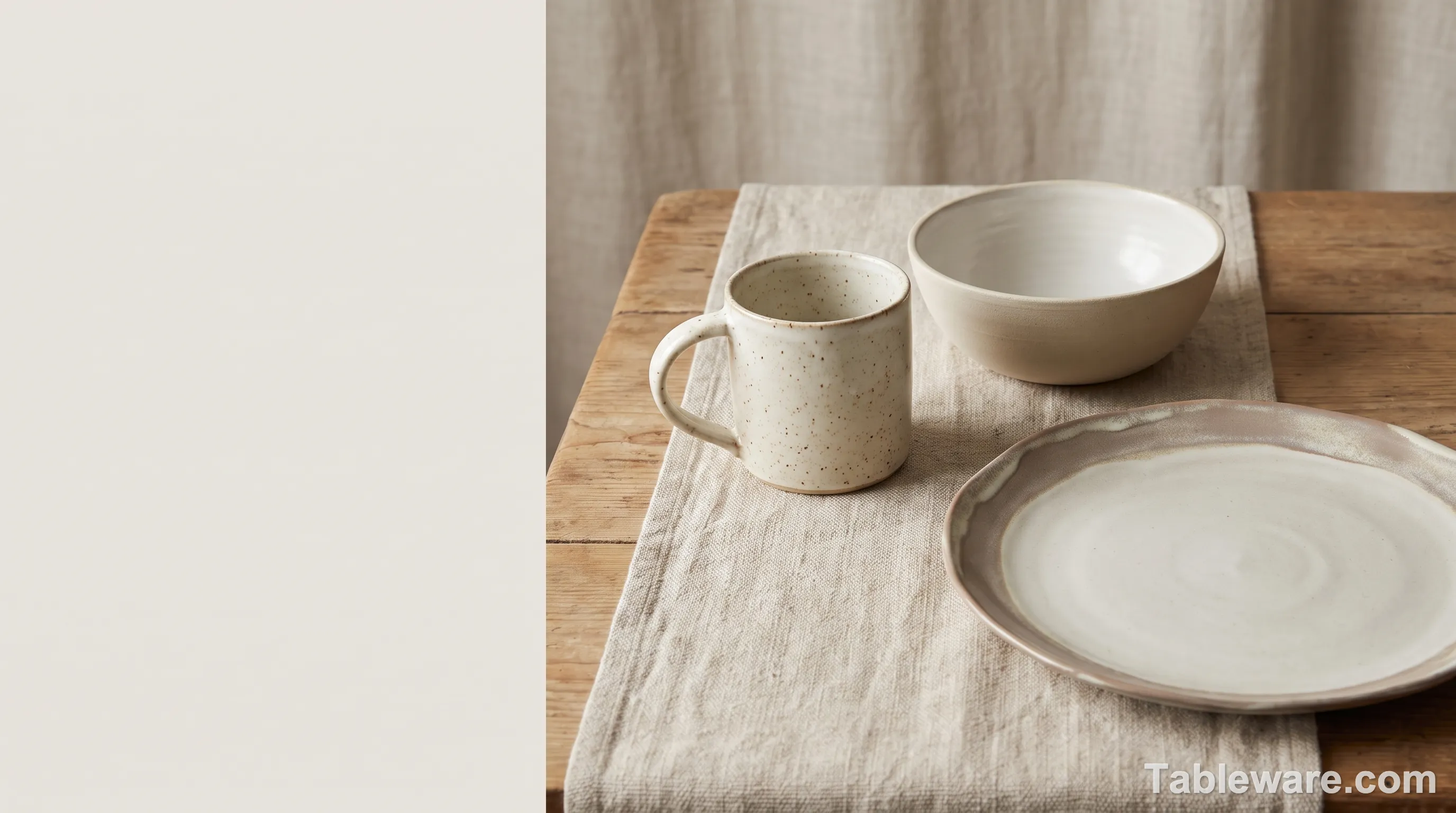
To hold a stoneware mug is to experience a tactile comfort that other materials simply cannot replicate. It has weight, it has substance, and it speaks to a tradition of pottery that dates back millennia. Yet, despite its ancient roots, stoneware has seen a massive resurgence in modern dining, beloved by contemporary chefs and home cooks alike for its unique aesthetic and unmatched practicality.
This comprehensive guide will explore every facet of stoneware—from its rich historical origins and the intense alchemy of its creation, to its defining characteristics, diverse glazing techniques, and how to care for these heirloom-quality pieces so they last for generations.
1. The Ancient Origins and Global Journey of Stoneware
The story of stoneware is a testament to human ingenuity and the relentless pursuit of creating vessels that could withstand the rigors of daily life. Unlike earthenware, which is porous and relatively fragile, stoneware was born out of a desire for something completely watertight and rock-hard.
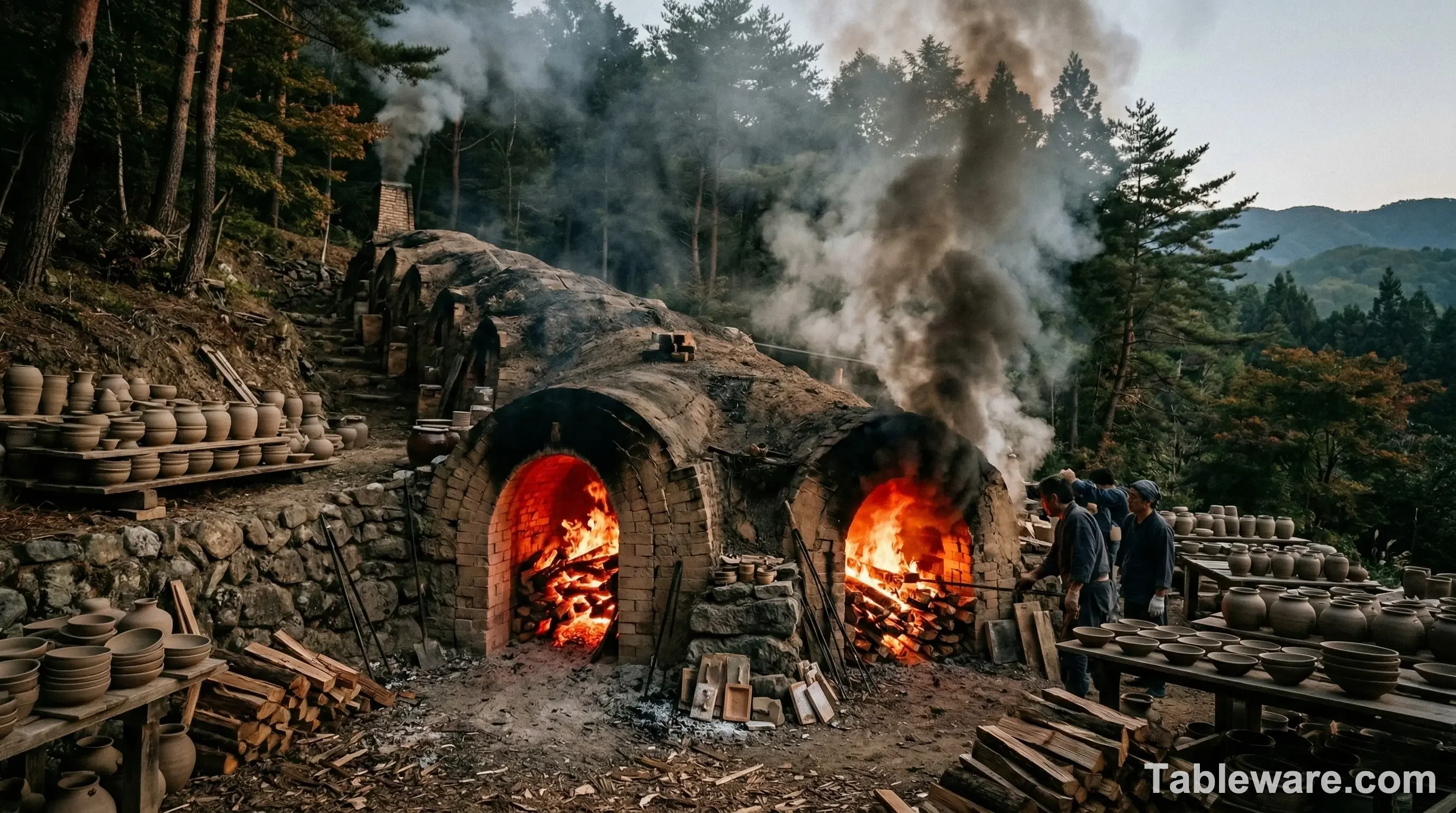
Fig 1. Early stoneware required the development of advanced kilns capable of reaching extreme temperatures, a technological leap in ancient ceramics.
The Dawn of High-Fire Ceramics in Asia
The earliest iterations of stoneware can be traced back to the Indus Valley Civilization (around 1900 BCE), but it was in ancient China that the material truly evolved into an art form. During the Shang Dynasty (c. 1600–1046 BCE), potters began to develop advanced kilns capable of reaching previously unattainable temperatures. By the time of the Han Dynasty (206 BCE – 220 CE), the production of highly durable, glazed stoneware was widespread. These early pieces were primarily utilitarian—storage jars, sturdy bowls, and ceremonial vessels—but they laid the groundwork for all high-fire ceramics to follow.
The European Stoneware Revolution
While China moved toward the perfection of translucent porcelain, Europe embraced the rugged utility of stoneware. Beginning in the Middle Ages, particularly in the Rhineland region of Germany, potters discovered local clay deposits that were perfectly suited for high-temperature firing.
By the 15th and 16th centuries, German stoneware—famous for its distinctive salt glaze—dominated the European market. Iconic items like the "Bellarmine" jug (or Bartmann jug), decorated with a bearded face, were exported globally. These vessels were revolutionary because they did not require a lead glaze to hold liquids; the material itself was impervious to water, making it incredibly safe for storing beer, wine, and acidic foods.
The American Tradition
When European settlers arrived in North America, they brought their stoneware traditions with them. In the 18th and 19th centuries, American stoneware became the standard for food storage before the invention of the glass Mason jar and mechanical refrigeration. Characterized by simple, sturdy forms and often decorated with cobalt blue floral or animal motifs, antique American stoneware remains a highly sought-after collector's item today, a symbol of pioneer resilience.
2. The Alchemy of Earth and Fire: How Stoneware is Made
What exactly separates a simple lump of clay from a rock-hard stoneware dinner plate? The answer lies in a fascinating combination of specific geological ingredients and the transformative power of extreme heat.
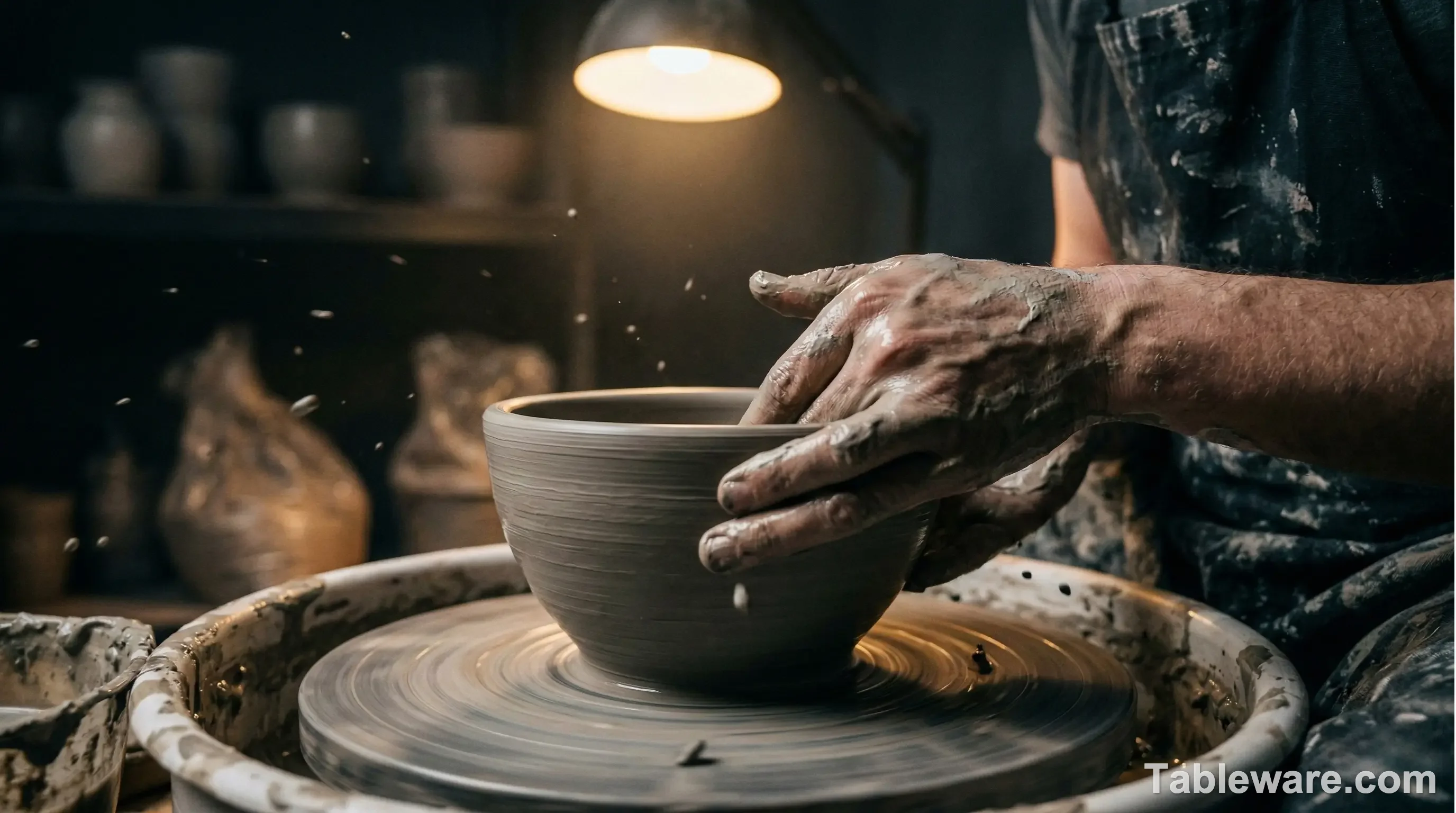
Fig 2. Stoneware clay is highly plastic, allowing artisans to throw and shape robust, thick-walled vessels designed for heavy daily use.
The Clay Body: Earthy and Impure
Unlike the highly refined, pure white kaolin clay used to make porcelain, stoneware is made from unrefined, secondary clays. These clays have been transported by water and wind over geological time, picking up various minerals and impurities along the way—most notably iron, feldspar, and quartz.
These "impurities" are actually stoneware's greatest strength. They give the raw clay its distinct colors, which can range from pale grey and buff to deep, rich browns and reds. Furthermore, these mineral additions act as "fluxes." In ceramic chemistry, a flux is a substance that lowers the melting point of the silica in the clay, facilitating the crucial process of vitrification.
The Firing Process: Into the Inferno
The magic of stoneware happens inside the kiln. Earthenware is typically fired at lower temperatures (around 1,000°C to 1,150°C), leaving it porous. Stoneware, however, must be fired at significantly higher temperatures—usually between 1,180°C and 1,300°C (2,150°F to 2,370°F).
At these blistering temperatures, a process called vitrification occurs. The extreme heat causes the silica and fluxes within the clay body to melt and fuse together, essentially turning into glass. This molten glass fills the microscopic pores between the clay particles. As the kiln cools, the material solidifies into a dense, non-porous, stone-like substance—hence the name "stoneware."
Because of this complete vitrification, stoneware is functionally waterproof even before it is glazed. The glaze applied to stoneware is primarily for aesthetic purposes, hygiene (making the surface smoother to clean), and providing a protective, scratch-resistant barrier against cutlery.
3. Defining Characteristics: Why Choose Stoneware?
When browsing a tableware buying guide, consumers are often faced with a choice: Earthenware, Stoneware, Porcelain, or Bone China? Here is why stoneware frequently wins out for both everyday use and high-end rustic dining.
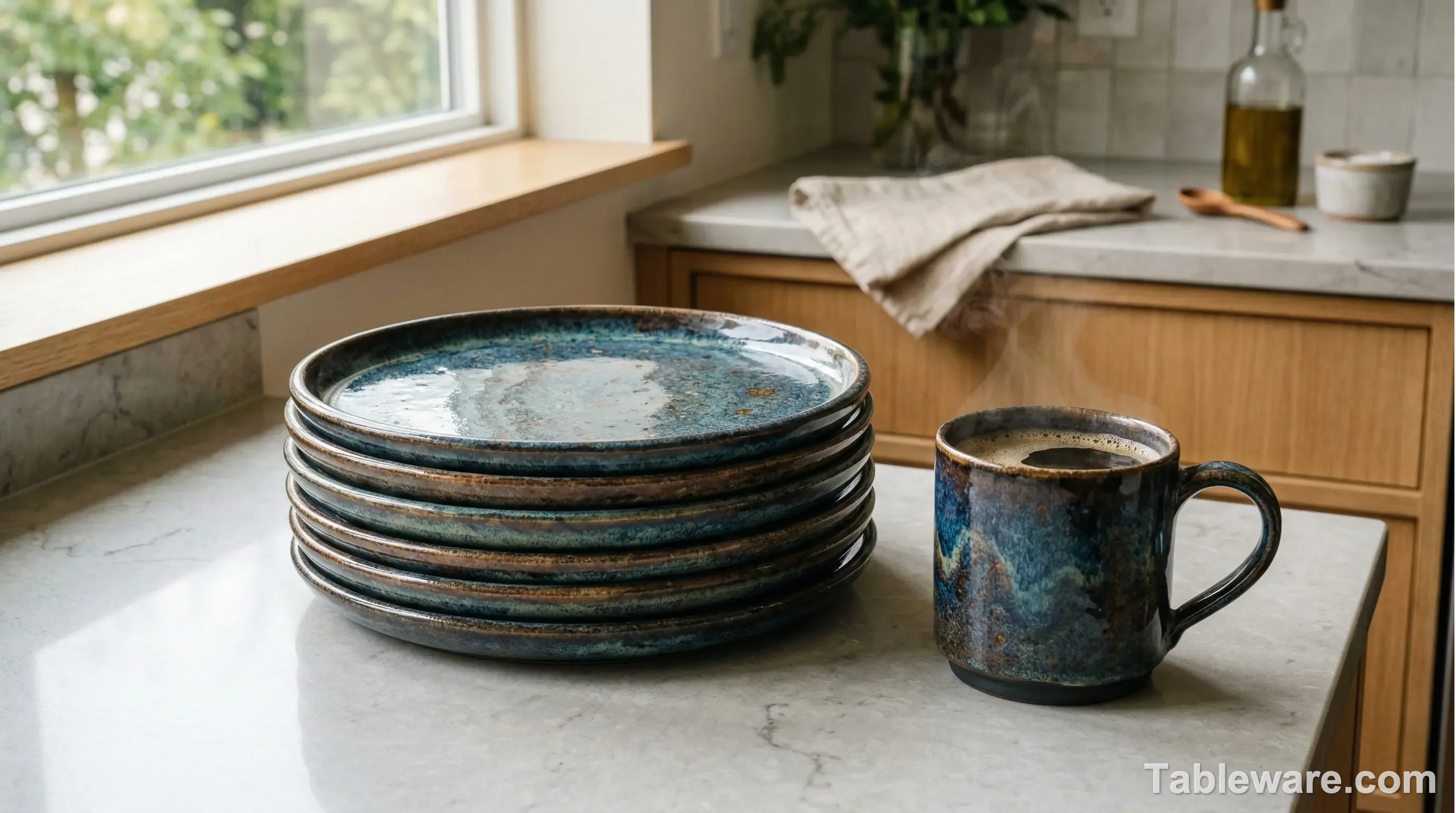
Fig 3. The thick profile and dense, vitrified core of stoneware make it exceptionally resistant to chipping and breaking during everyday use.
Unmatched Durability and Chip Resistance
Thanks to the vitrification process and its generally thicker profile, stoneware is remarkably durable. It is far less prone to chipping than earthenware and can withstand the chaotic environment of a busy family kitchen or a commercial restaurant. If you accidentally bump a stoneware bowl against the sink while washing it, it is highly likely to survive without a scratch, whereas more delicate ceramics might shatter.
Superior Heat Retention (Thermal Mass)
Have you ever noticed that your coffee stays hot much longer in a thick, heavy mug? That is the power of thermal mass. Because stoneware is dense and thick, it absorbs and retains temperature exceptionally well.
- For hot foods: A stoneware dinner plate warmed in the oven before serving will keep your steak or pasta piping hot throughout the meal.
- For cold foods: Chilling a stoneware bowl in the fridge makes it the perfect vessel for serving ice cream or a crisp summer salad, keeping the contents cold for extended periods.
The Opaque, Grounded Aesthetic
Unlike porcelain or bone china, which pride themselves on translucency (the ability to let light pass through), stoneware is proudly opaque. You cannot see your hand through a stoneware plate. This opacity, combined with its heavier weight, gives the tableware a feeling of groundedness, stability, and casual warmth. It perfectly complements farm-to-table dining, rustic interiors, and meals that are meant to be shared generously.
Oven-to-Table Versatility
High-quality stoneware is an absolute dream for bakers and home chefs. Because it is fired at such high temperatures during its creation, it is incredibly heat resistant in the home kitchen. Most stoneware baking dishes, ramekins, and casseroles can go directly from the oven to the dining table. It distributes heat evenly during baking, resulting in perfectly golden pies, bubbling gratins, and evenly baked bread.
4. The Art of the Finish: Glazing Techniques
Because the underlying clay body of stoneware is often dark or speckled, it provides a fascinating canvas for ceramic glazes. The interaction between the minerals in the clay and the chemicals in the glaze during a high-fire results in finishes that are impossible to replicate on pure white porcelain.
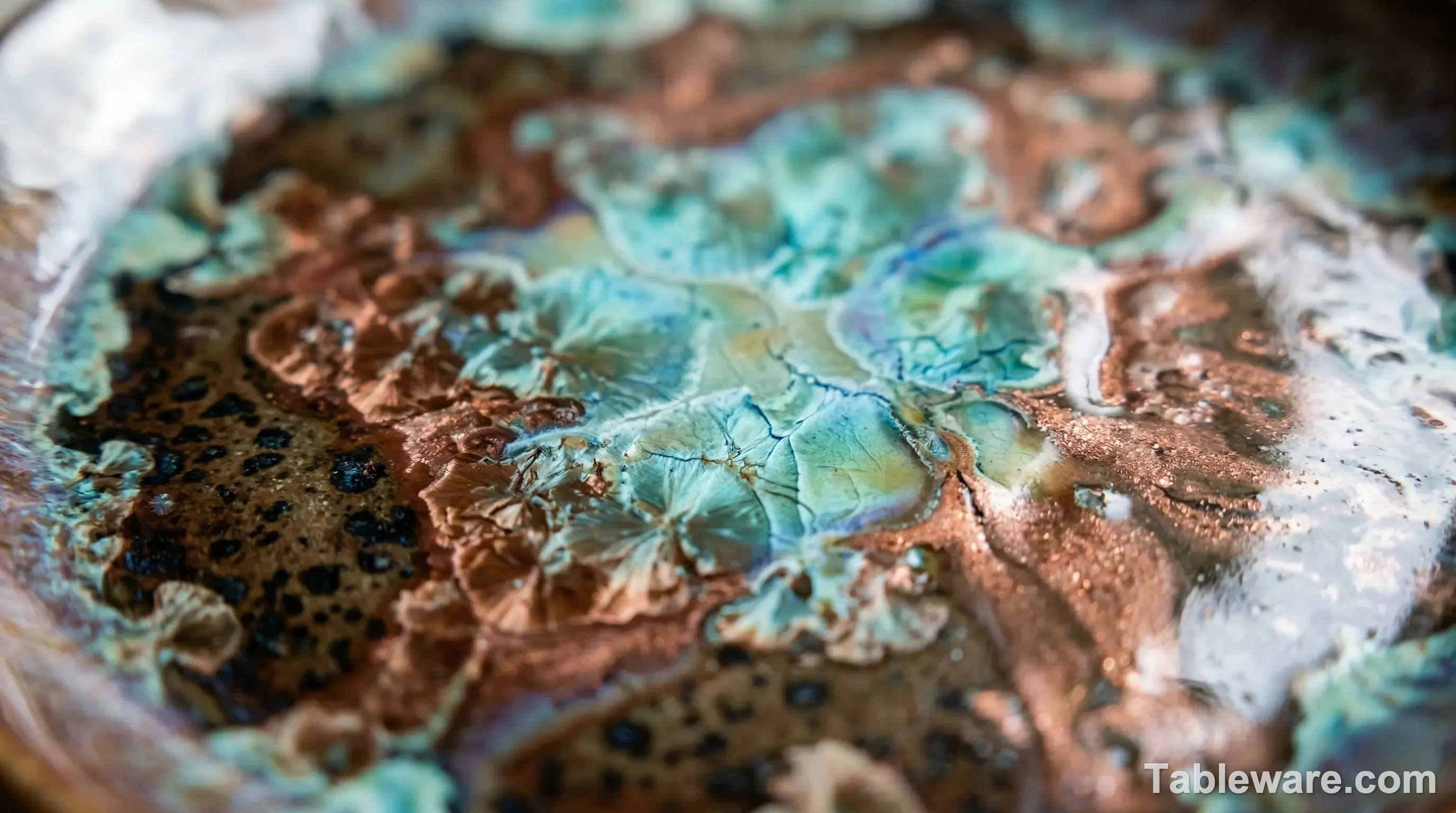
Fig 4. Reactive glazes undergo complex chemical changes in the kiln, ensuring that no two pieces of stoneware are ever exactly alike.
Salt Glazing: The Historical Standard
Historically, the most famous stoneware finish is the salt glaze. During the firing process, when the kiln reaches its peak temperature, potters would throw ordinary rock salt into the kiln. The salt vaporizes instantly. The sodium from the salt reacts with the silica in the clay vessels to form a glossy, slightly pitted, "orange-peel" textured silicate glass directly on the surface of the pottery. This technique produced incredibly tough, chemical-resistant wares, though it is less common today due to the toxic chlorine gas it releases during firing.
Ash Glazes: The Natural Approach
Originating in ancient Asia, ash glazing utilizes the natural wood ash generated by the kiln fire itself. The ash lands on the shoulders of the pots during firing, and the calcium and potassium in the ash act as a flux, melting the surface of the clay into a naturally formed glaze. Today, potters often mix wood ash into liquid glazes to recreate these beautiful, runny, earthy greens and browns, which pool beautifully in the carved textures of a stoneware vessel.
Reactive Glazes: The Modern Favorite
Walk into any high-end home goods store today, and you will see "reactive glaze" stoneware. These glazes contain specific minerals (like copper, iron, or cobalt) that are designed to react unpredictably with the heat of the kiln and the underlying clay.
As the glaze melts, it bubbles, runs, pools, and crystallizes. The result is a finish that features breathtaking variations in color, speckled patterns, and ombre effects. Because the exact temperature and atmosphere in the kiln vary slightly from firing to firing, no two pieces of reactive-glazed stoneware are ever identical. This individuality is highly prized by consumers who want tableware that feels artisanal rather than factory-produced.
Matte and Satin Finishes
While glossy finishes are common, stoneware beautifully supports matte and satin glazes. A matte black or charcoal stoneware plate provides a dramatic, high-contrast backdrop that makes the vibrant colors of food—like a seared salmon or a vibrant green salad—absolutely pop.
5. The Great Ceramic Divide: Stoneware vs. The Rest
To truly understand stoneware, it is helpful to place it in context alongside its ceramic siblings. How does it stack up when you are making a purchasing decision?
- Stoneware vs. Earthenware (Terracotta, Majolica): Earthenware is fired at much lower temperatures, leaving it porous. It must be glazed to hold water. If an earthenware piece chips, the exposed clay will absorb moisture and bacteria. Stoneware, being fully vitrified, is non-porous even if chipped. Stoneware is vastly heavier and more durable.
- Stoneware vs. Porcelain: Porcelain is made from highly refined white clay and fired at extremely high temperatures. It is bright white, often translucent, and very hard, but it can be brittle. Porcelain feels formal and refined; stoneware feels casual, earthy, and robust. Porcelain is typically thinner and lighter than stoneware.
- Stoneware vs. Bone China: Bone china incorporates bone ash into the porcelain mixture, making it the strongest and most translucent of all ceramics, despite its delicate appearance. Bone china is the ultimate choice for formal, luxury dining. Stoneware is the ultimate choice for everyday, hearty, comfort dining.
6. Care and Maintenance for Generations of Use
One of the primary reasons stoneware is so highly recommended in tableware buying guides is its ease of care. It is designed to be lived with, not locked away in a display cabinet. However, following a few simple guidelines will ensure your stoneware lasts a lifetime.
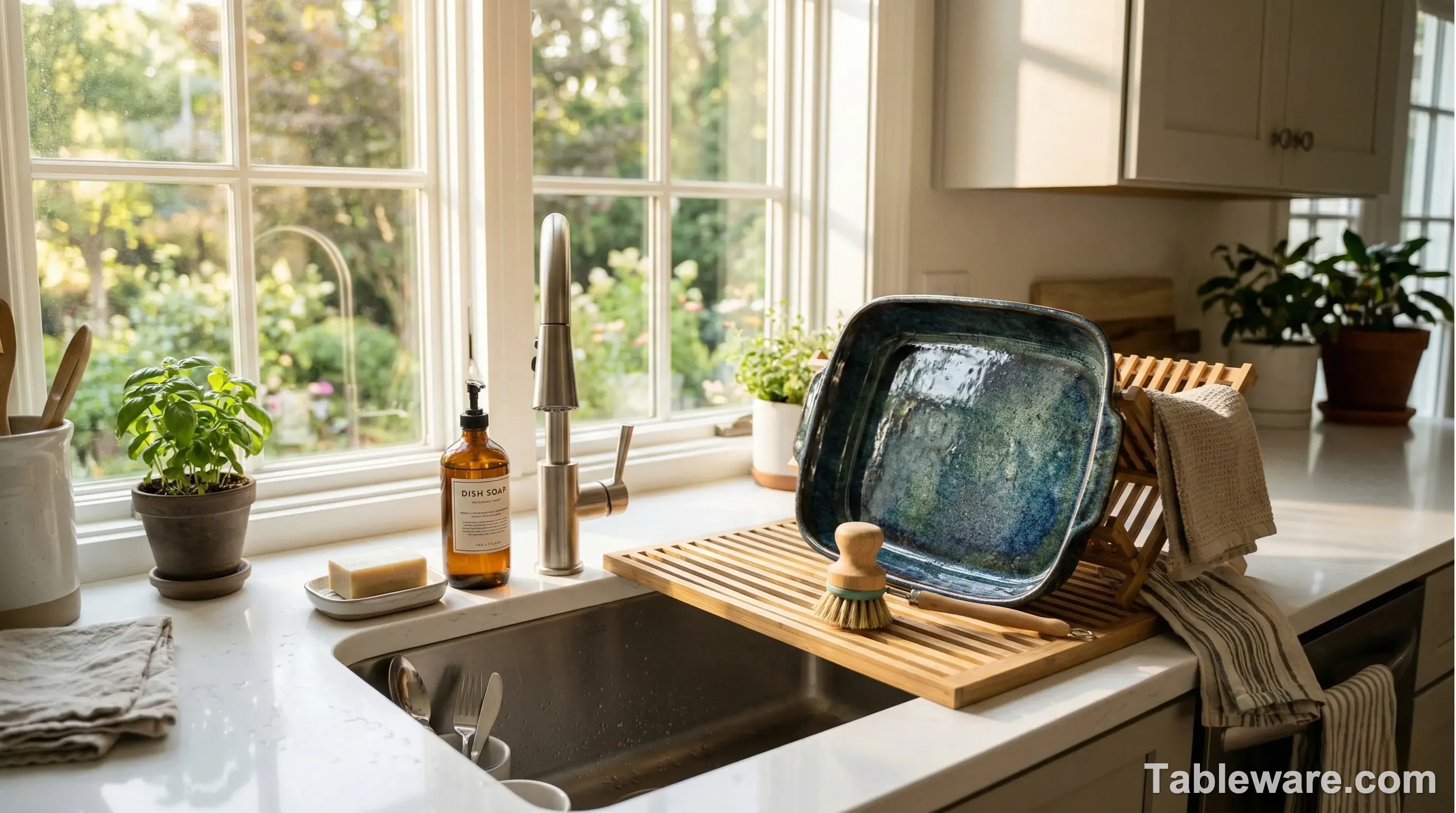
Fig 5. While incredibly tough, stoneware requires care to prevent thermal shock and maintain the integrity of its beautiful glaze.
Dishwasher and Microwave Safety
The vast majority of modern stoneware is 100% dishwasher and microwave safe. Because it is non-porous and fired at such high temperatures, the heat of a dishwasher or microwave will not damage the structural integrity of the clay.
Cautionary Note: Always check the manufacturer's bottom stamp. If your stoneware features metallic accents (like gold or platinum rims, which is rare for stoneware but occasionally seen), it cannot go in the microwave. Additionally, extremely cheap stoneware might have glazes that can craze (develop tiny cracks) in the dishwasher over time.
The Danger of Thermal Shock
While stoneware is heat-resistant, its thick, dense nature makes it susceptible to thermal shock. Thermal shock occurs when a material experiences a sudden, extreme change in temperature, causing it to expand or contract unevenly, which can lead to a catastrophic crack.
Rules to avoid thermal shock:
- Never take a stoneware dish directly from the freezer and put it into a hot oven.
- Never place a hot stoneware baking dish directly onto a cold marble countertop or into a sink full of cold water. Always let it cool on a wooden board, a cloth towel, or a cooling rack.
- Do not use stoneware on a direct heat source, such as an electric or gas stovetop burner, unless it is specifically designed and marketed as "flameware."
Dealing with Cutlery Marks
Over time, you might notice grey, pencil-like lines on the surface of your lighter-colored stoneware plates. People often mistake these for scratches in the glaze. In reality, stoneware glazes are usually harder than the stainless steel used in everyday flatware. Those grey lines are actually microscopic bits of metal rubbing off your knives and forks onto the plate.
These marks are entirely superficial and can be easily removed. A gentle scrub with a mild abrasive cleaner (like Bar Keepers Friend or a paste made of baking soda and water) will lift the metal marks right off, restoring your plates to their original beauty without damaging the glaze.
Storing Stoneware Safely
Because stoneware is heavy, care should be taken when storing it. When stacking plates or bowls, you can place a small piece of felt, a paper towel, or a coffee filter between each piece. This prevents the unglazed "foot ring" (the rough bottom edge of the plate that rests on the kiln shelf during firing) from scratching the glazed surface of the plate below it.
Conclusion: The Soulful Choice
In an era of mass production and ultra-refined, delicate materials, stoneware offers something deeply grounding. It is tableware that invites you to touch it, to use it, and to gather around it.
Whether it is a simple morning coffee in a weighty, speckled mug, or a family roast served in a beautifully glazed baking dish, stoneware elevates the everyday culinary experience. By understanding its ancient history, the intense heat required to forge it, and the unique characteristics that make it so durable, you can truly appreciate why this earthy material continues to be the beating heart of the modern dining table.
If you are looking for tableware that combines artisanal beauty with unbreakable functionality, stoneware is, without a doubt, a perfect choice for your home.