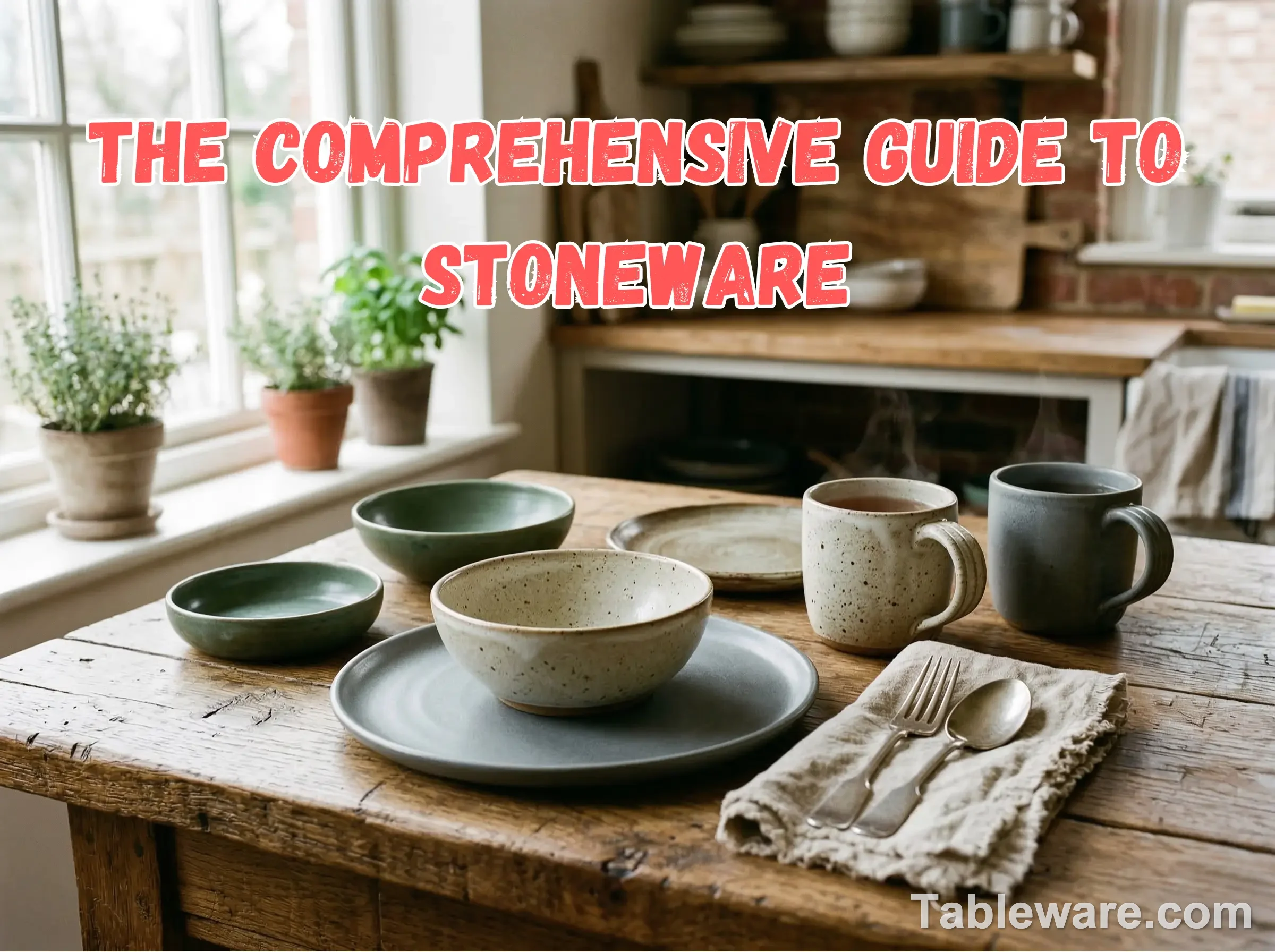
Stoneware is the quintessential modern ceramic. While bone china represents the pinnacle of formal luxury, and earthenware brings rustic, ancient charm, stoneware occupies the vast, vital middle ground. It is the material of choice for the farm-to-table movement, the beloved, heavy coffee mug you reach for every morning, and the incredibly durable casserole dish that is passed down through generations.
To understand stoneware is to appreciate the perfect marriage of geology and extreme heat. It is defined not just by what it is made of, but by the intense temperatures it endures during firing, which transforms simple clay into a material as non-porous and enduring as stone itself.
The Material Core: What Makes Clay "Stoneware"?
To appreciate the finished product, we must look at the raw ingredients. Not all clay is created equal. While earthenware uses common glacial clays found near the earth's surface, and porcelain requires incredibly pure kaolin, stoneware relies on specific "fire clays" or "ball clays."
These clays are distinct because they contain high levels of silica (which turns into glass when heated) and alumina (which provides structural strength), but have lower levels of iron and other impurities that would cause the clay to melt at lower temperatures. Stoneware clays are naturally plastic and workable, making them a favorite for potters since antiquity.
Unlike porcelain, which strives for pure white translucency, stoneware celebrates its impurities. These tiny speckles of iron and other minerals react during firing to create the characteristic visual depth and earthy color palette—ranging from light grey and buff to deep rich brown—that defines the material's aesthetic.
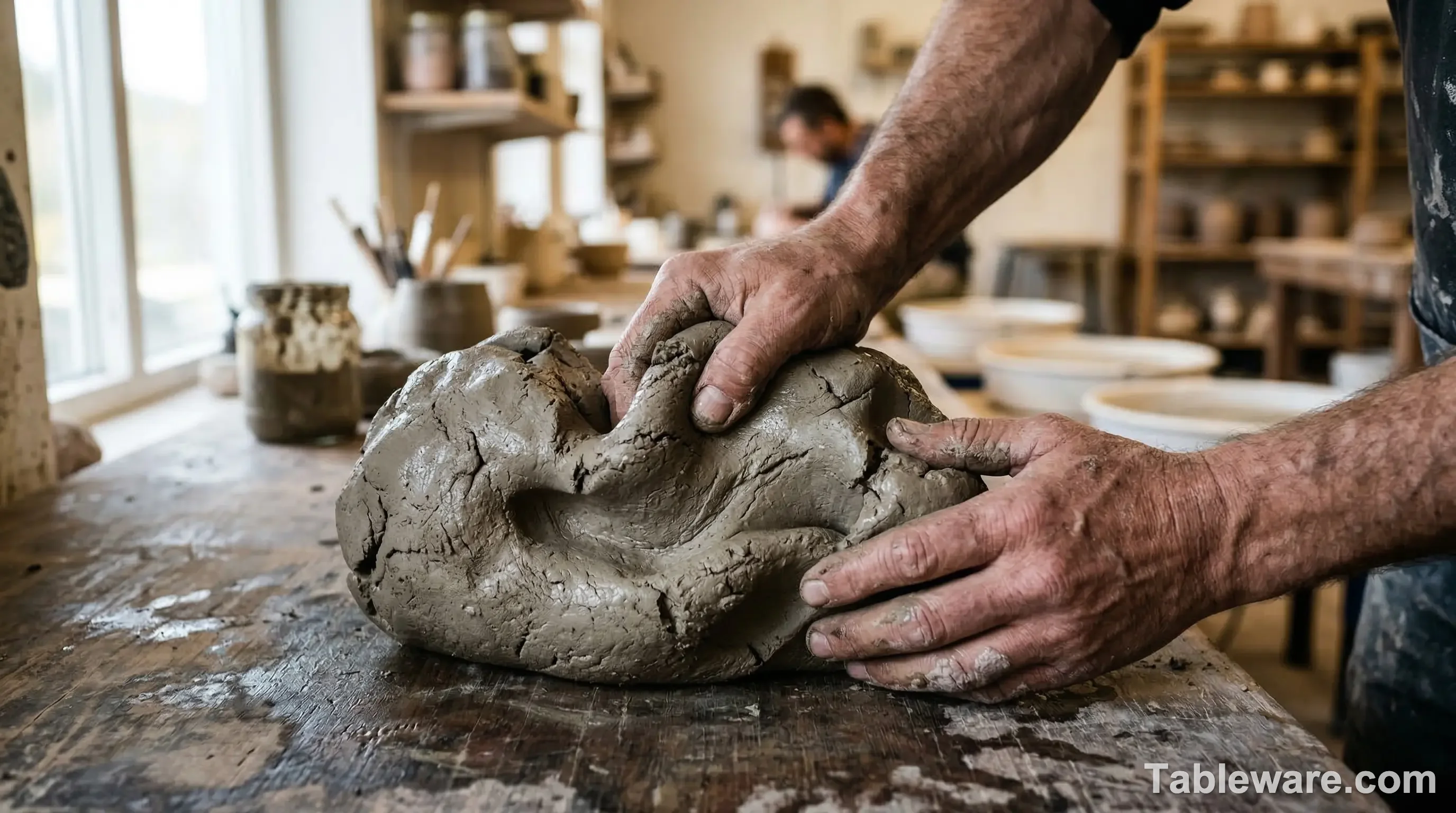
Fig 1. The foundation of durability begins with the clay body. Stoneware clays are rich in silica and alumina, preparing them for extreme temperatures.
The Trial by Fire: The Firing and Vitrification Process
The defining characteristic of stoneware is its firing temperature. While earthenware is fired at "low" temperatures (around 1,000°C to 1,150°C), stoneware enters the kiln at "high" temperatures, typically between 1,200°C and 1,315°C (cone 6 to cone 10 in potter's terms).
This intense heat triggers a crucial chemical transformation known as vitrification.
Inside the kiln, as the temperature rises, the silica within the clay body begins to melt. It fills the microscopic pores between the clay particles. As the kiln cools, this molten silica hardens into a dense, glass-like matrix that binds the entire structure together.
This process renders the stoneware non-porous (or "impervious" in technical terms). Unlike earthenware, which remains slightly porous even after firing and requires glaze to hold water, a piece of fully vitrified, unglazed stoneware will not absorb water. This density is what gives stoneware its characteristic weight and ringing sound when struck.
Reduction vs. Oxidation Firing
The atmosphere inside the kiln during this high-heat phase also dictates the final appearance.
- Oxidation Firing: In electric kilns, there is plenty of oxygen. The metals in the clay and glaze "oxidize," much like steel rusts. Copper turns bright green, and iron becomes red or warm tan.
- Reduction Firing: In gas or wood kilns, the potter purposefully starves the kiln of oxygen. The fire begins to strip oxygen atoms out of the clay and glazes. This creates dramatic effects: iron turns from red to a cool celadon green or bluish-grey, and copper can turn a brilliant "oxblood" red.
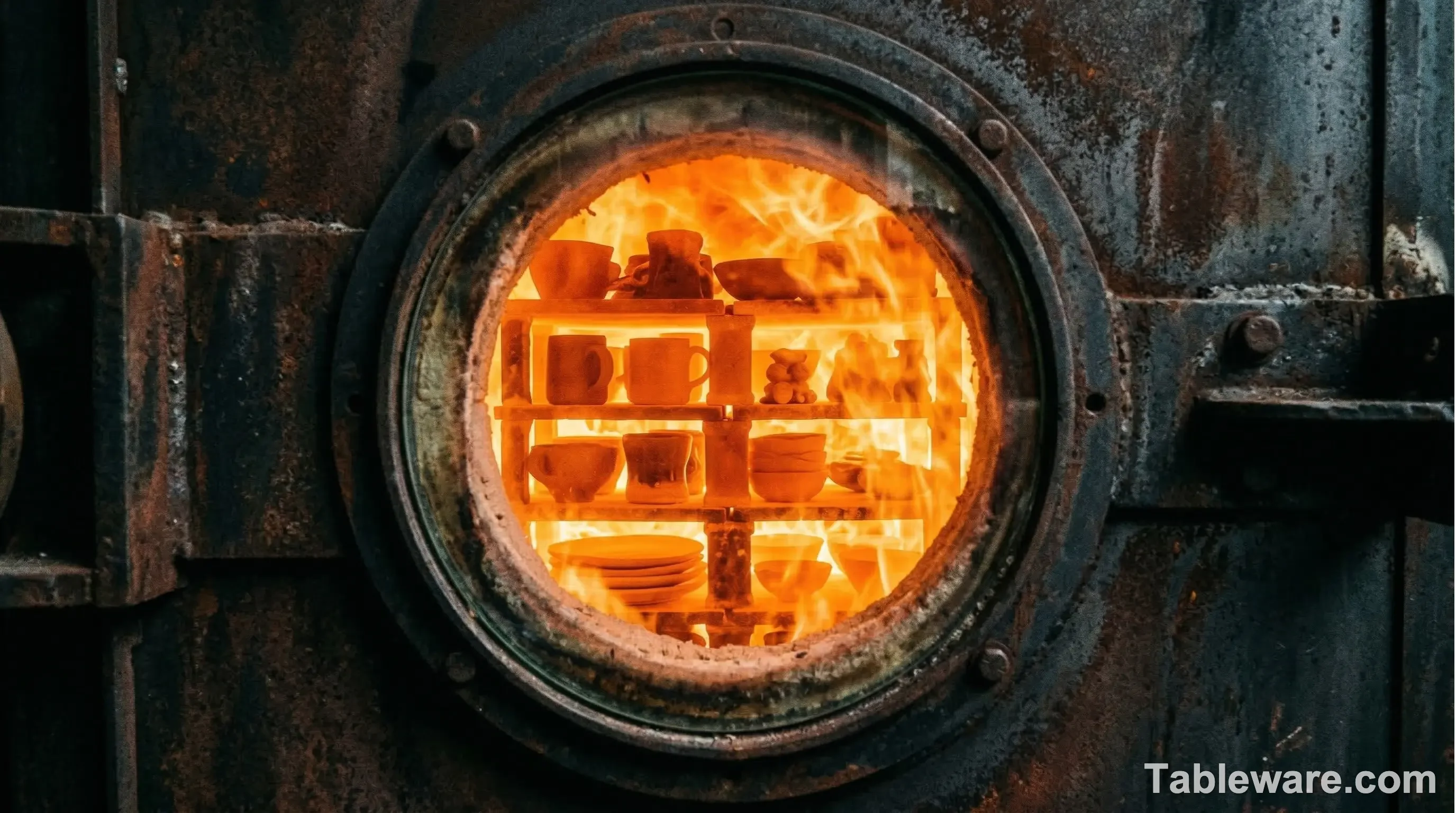
Fig 2. The crucible of heat. High-temperature firing causes vitrification, turning the clay into a dense, stone-like, non-porous material.
A Journey Through History: From Ancient China to the Modern Kitchen
Stoneware has a deep history, originating in China during the Shang Dynasty (approx. 1600–1046 BCE), though it fully matured during the Han Dynasty. Chinese potters were the first to develop kilns capable of reaching the high temperatures necessary for vitrification. These early stoneware pieces, often covered in simple celadon or ash glazes, were prized for their strength and resonance.
The European Connection and Salt Glaze
While China was developing stoneware and eventually porcelain, Europe remained focused on earthenware for centuries. It wasn't until the 13th and 14th centuries that stoneware production began in earnest in Germany (specifically the Rhineland). German potters mastered high-temperature firing and developed unique forms, such as the famous Bartmann (bearded man) jugs.
Europe's greatest contribution to stoneware technology was salt glazing. During the peak of the firing, potters would throw common salt into the kiln. The extreme heat would immediately vaporize the salt. The sodium would react with the silica in the clay surface to form a tough, glassy coating with a characteristic orange-peel texture. This produced highly durable, acid-resistant vessels perfect for storing beer, pickles, and chemicals.
The Industrial Revolution and Utilitarian Ware
As production moved to England, particularly Staffordshire, in the 17th and 18th centuries, stoneware production became industrialized. Potters like Josiah Wedgwood refined stoneware, creating bodies like Jasperware and Basaltware, which were fine-grained, unglazed stonewares used for decorative items and high-end teaware.
However, the primary role of stoneware for centuries remained utilitarian. It was the material of massive fermentation crocks, water jugs, sewer pipes, and sturdy ink bottles—objects valued for their indestructibility rather than their beauty.
The Studio Pottery Revival
The 20th century saw a dramatic shift. Influential potters like Bernard Leach in England and Shoji Hamada in Japan spearheaded the studio pottery movement. They rejected industrialized perfection and looked back to ancient, rustic Chinese, Japanese, and medieval English stoneware techniques. They celebrated the evidence of the human hand, raw textures, and the unpredictable effects of wood-firing. This movement is the direct ancestor of the artisanal, "handmade" stoneware we value today.
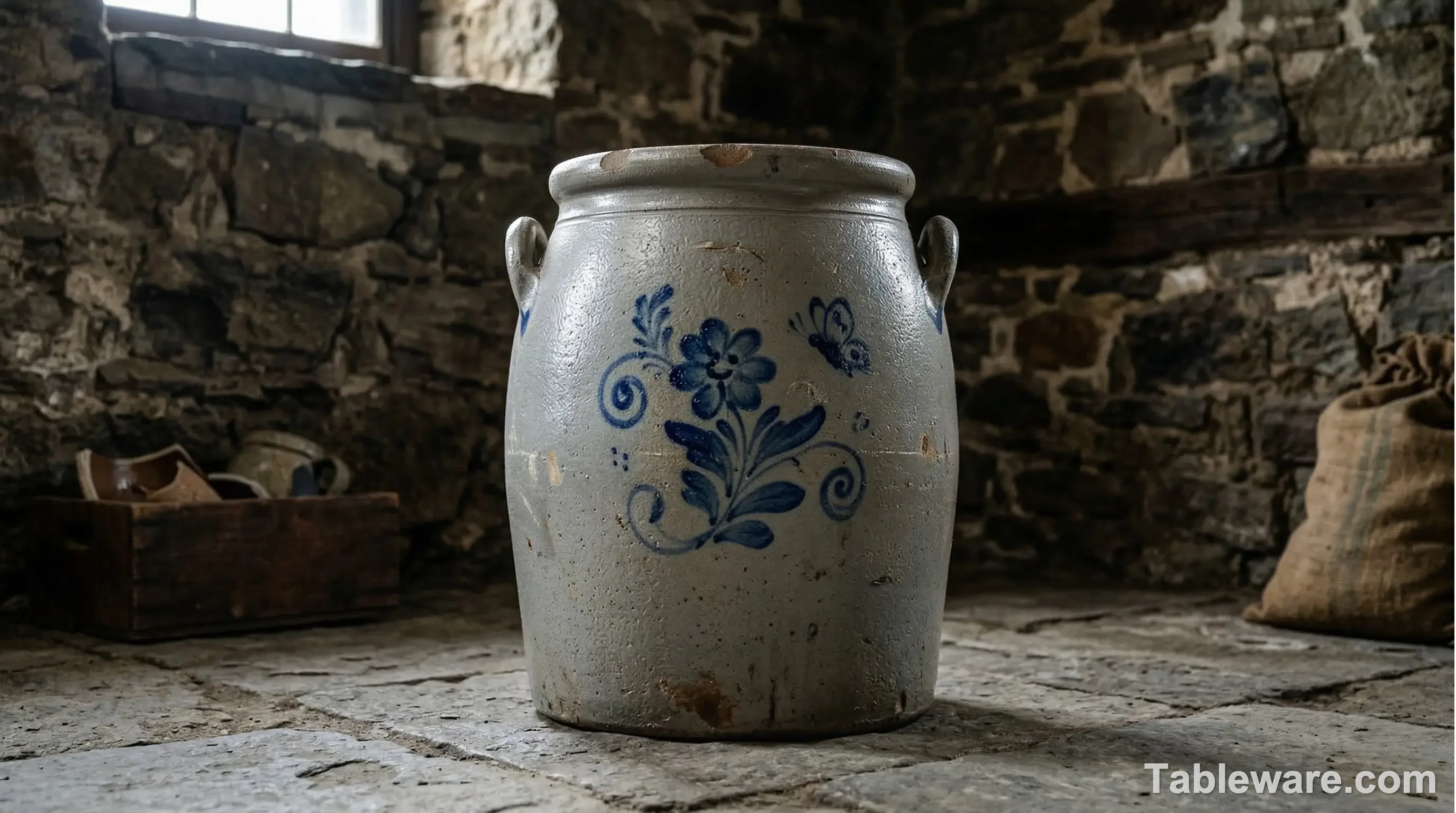
Fig 3. Historically utilitarian, stoneware like this antique salt-glazed crock was prized for its durability and acid resistance, essential for food preservation.
The Aesthetics of Stoneware: Glazes and Tactility
Perhaps the most compelling aspect of modern stoneware is its varied aesthetic. Because the material is non-porous when fired, glaze is not strictly necessary for functionality (except on surfaces meant for eating). This allows artists and manufacturers to experiment with texture and coverage.
Glaze Varieties
- Matte and Satin Glazes: Stoneware is uniquely suited to matte finishes. These velvety, sophisticated glazes are tactile and pleasant to hold, lacking the high-gloss reflection of porcelain.
- Reactive Glazes: These are highly complex glazes that contain varied minerals. During the high-heat firing, these minerals melt, flow, and interact, creating unpredictable variegated colors, speckles, and "breaking" effects (where the glaze thins and changes color over sharp edges). This means no two pieces are exactly alike.
- Ash Glazes: Originating from ancient techniques, these glazes use wood or vegetal ash as a flux. They create fluid, cascading green and brown effects that showcase the natural origins of the material.
- Unglazed Stoneware: Many modern designs leave the exterior of the vessel unglazed, or "raw," polishing it smooth, while glazing only the interior. This creates a beautiful contrast between the earthy, textured clay and the smooth food-safe interior.
The Importance of Weight and Texture
When you pick up a piece of stoneware, it feels substantial. This weight implies quality and permanence. The texture can vary from rugged and groggy (containing coarse particles) to incredibly refined and smooth, depending on how the clay body was formulated. The material begs to be touched, making the tactile experience as important as the visual one.
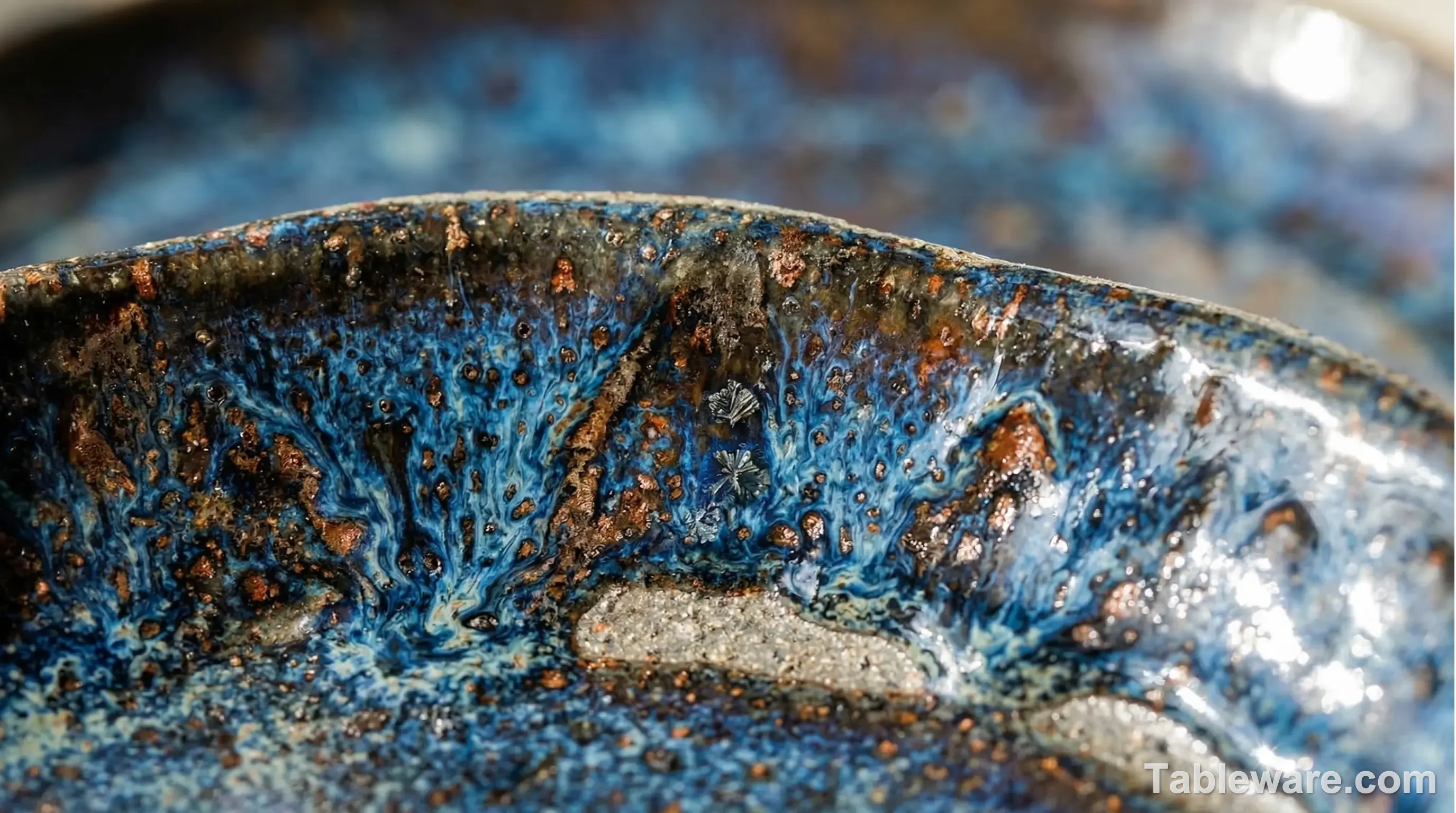
Fig 4. The magic of reactive glazes. High heat allows complex glazes to flow and interact, ensuring that every artisanal piece has a unique color and pattern variation.
Stoneware in Function: Why It Wins in the Modern Kitchen
Stoneware's popularity today isn't just aesthetic; it is the ultimate "workhorse" material, ideally suited for modern culinary demands.
1. Incredible Durability and Chip Resistance
Because it is fully vitrified and fired at such high temperatures, stoneware is incredibly hard. It resists scratching from cutlery and is significantly less prone to chipping than earthenware. While porcelain is technically harder, stoneware's denser, often thicker construction makes it more robust for everyday handling, clattering in the sink, or loading into the dishwasher.
2. Thermal Retention and Even Heating
One of stoneware's best qualities in cooking is its thermal mass. It heats up relatively slowly but holds that heat exceptionally well and distributes it evenly. This makes stoneware baking dishes perfect for casseroles, roasts, lasers, and pies. It eliminates hot spots that might burn food, ensuring a thorough, even cook. Furthermore, when you bring the stoneware dish from the oven to the table, it keeps the food warm throughout the meal.
3. Oven, Microwave, and Dishwasher Safety
Most modern stoneware is designed to be fully compatible with contemporary kitchens.
- Oven Safe: Because it was born in 1,200°C+ heat, a standard 200°C oven is no threat. (Always check manufacturer specifications, as some specific glazes or added materials like wooden handles may limit this).
- Microwave Safe: Being non-porous, it won't absorb water that could heat up and cause the dish to shatter.
- Dishwasher Safe: The vitrified body and tough glazes can withstand the high temperature and aggressive detergents of a dishwasher cycle.
4. The Freezing Constraint
Stoneware is versatile, but it does have an enemy: thermal shock. While it handles heat well, it does not handle sudden, extreme temperature changes. You should never take a stoneware dish directly from the freezer and place it into a hot oven, or vice versa. The rapid expansion or contraction of the material will likely cause it to crack or "dunt." Always allow the material to transition temperature gradually.
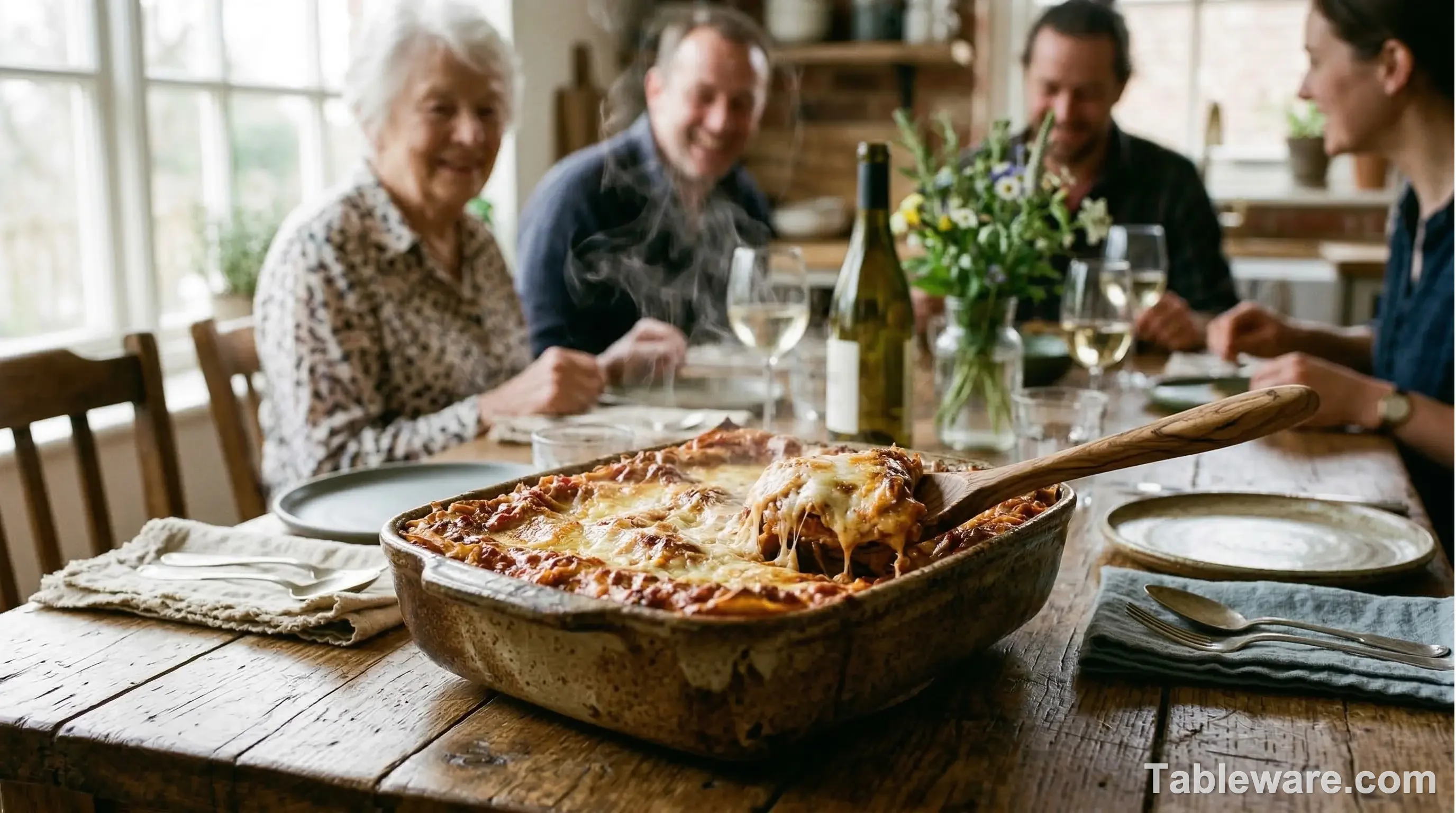
Fig 5. Oven-to-table functionality. Stoneware distributes heat evenly and retains it, keeping meals warm long after they are served.
Conclusion: The Enduring Appeal of Stoneware
In a world filled with ephemeral, disposable items, stoneware stands out as something substantial and lasting. It embodies a slower, more intentional way of living and eating. It connects us back to the earth—simple clay, water, and fire—while meeting every demand of a fast-paced modern lifestyle.
Stoneware is not precious in the way porcelain can be; it is meant to be used, to hold the heat of daily coffee, to bake the family casserole, and to endure the dishwasher daily. Its ability to look just as at home in a high-end gourmet presentation as it does on a rustic farmhouse table makes it the most versatile material in the ceramic spectrum. Whether you choose mass-produced, durable designs or one-of-a-kind studio pieces, when you dine on stoneware, you are participating in a 3,000-year-old tradition of functional beauty.