
Beyond the Plate: A Hands-On Review of Dinnerware for Every Lifestyle (Fancy to Functional)
Monday, February 16, 2026
Monday, February 16, 2026
We review the best dinnerware sets across three distinct categories: the everyday durable basics, the luxurious investment pieces, and the versatile middle ground. Discover my personal take on what makes a set truly worth owning.
Choosing dinnerware is rarely a simple task. It’s a commitment. Unlike a patterned tablecloth you might swap out seasonally, or a centerpiece vase you only use occasionally, your dinner plates are the daily backdrop to your nourishment. They witness the rushed Tuesday morning toast, the slow Sunday roast, and the celebratory dinner party where you actually ironed napkins.
Over the years, having tested countless plates, bowls, and mugs in my own kitchen, I’ve come to fulfill the role of the "dinnerware therapist" for my friends. They come to me paralyzed by choice: "Do I need bone china if I have kids?" or "Is artisanal stoneware actually dishwasher safe?"
The idea that there is one single "best" set is a fallacy. The best set is the one that matches the reality of your life right now.
For this review, I decided to categorize the current market landscape into three distinct pillars based on common lifestyles and needs: The Everyday Workhorses (Basic & Functional), The Investment Pieces (Fancy & Occasional), and what I consider the sweet spot, The Versatile Middle Ground.
I believe that how a plate feels in your hand and how it sounds when a fork hits it is just as important as how it looks on Instagram. Let’s dive into the reviews.
This category is for the realists. You want something that can survive being stacked aggressively in the dishwasher, something that doesn't chip if you look at it wrong, and something affordable enough that if a piece does break, it’s merely annoying rather than heartbreaking. These sets are usually made of durable stoneware or tempered glass.
I spent a month exclusively using a highly popular, mid-ranged stoneware set (think along the lines of higher-end IKEA or Target's Threshold line, but slightly more substantial). These plates are usually thicker, heavier, and have an earthy, grounded feel.
My Honest Take: I think there is a profound comfort in reliable dinnerware. For 80% of my meals—the quick lunches, the leftovers eaten while standing at the island—this is the type of plate I reach for. Why? Because I don’t have to "baby" it.
During my testing, I was impressed by the thermal retention. Stoneware is excellent at keeping hot food hot. If you pre-warm these plates in the oven, your steak stays warm until the last bite. However, the weight is a double-edged sword. Carrying a stack of eight dinner plates from the dishwasher to the cupboard feels like a mild bicep workout.
The Aesthetic: Visually, "basic" doesn't have to mean ugly. The set I reviewed had a matte reactive glaze, giving each piece slight, subtle variations. It looked modern and clean, but it definitely lacked the refinement required for a formal dinner party. It screams "Tuesday night taco bar," not "Christmas Eve feast."
Durability Test: I accidentally banged a cereal bowl against the granite countertop edge while loading the dishwasher. It made a sickening thud, but to my surprise—zero chips. This is the primary selling point.
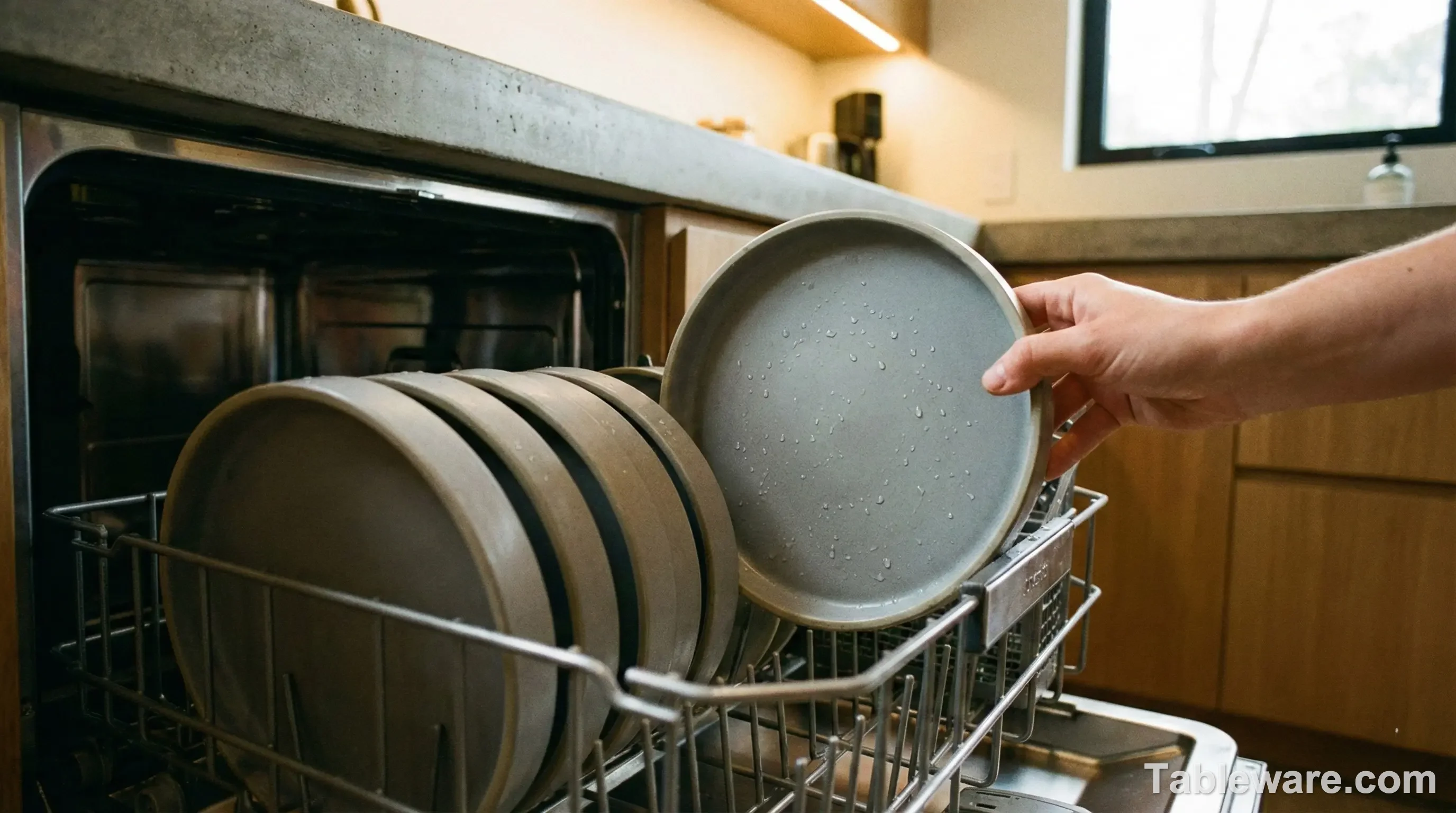
Fig 1. The daily drivers. Thick-rimmed stoneware is essential for households that prioritize dishwasher safety and chip resistance over delicate aesthetics.
Pros:
Cons:
Now we move to the opposite end of the spectrum. This is the realm of fine porcelain and the undisputed king: Bone China. These are the sets you register for when getting married, or perhaps inherit from a grandmother.
For this category, I reviewed a high-end white Bone China set from a heritage English brand, but with a modern, minimalist silhouette (no fussy floral patterns here).
My Honest Take: I’ll admit it: I feel different when I eat off Bone China. There is an undeniable psychological shift. The food looks more vibrant against the brilliant, milky white surface. The thinness of the rim makes drinking broth or tea a genuinely more enjoyable sensory experience.
I believe everyone should own at least a few pieces of "the good stuff," even if you only bring it out four times a year. It elevates a meal from mere consumption to an occasion. However, the anxiety is real. During my review period, I found myself hand-washing these plates even though they were technically labeled "dishwasher safe." I just couldn't bear the thought of the gold rim fading or a rogue pot lid smashing into them during a wash cycle.
The Aesthetic: The defining characteristic here is translucency. If you hold a Bone China plate up to a light source, you can see the shadow of your hand behind it. This delicacy is paradoxical, as Bone China is actually the strongest type of ceramic physically. But it looks fragile, which dictates how we treat it.
Durability Test: While Bone China is strong, it is brittle. It won't chip easily from a light tap, but if dropped on a tile floor, it will shatter spectacularly. I did not perform a drop test for obvious financial reasons.
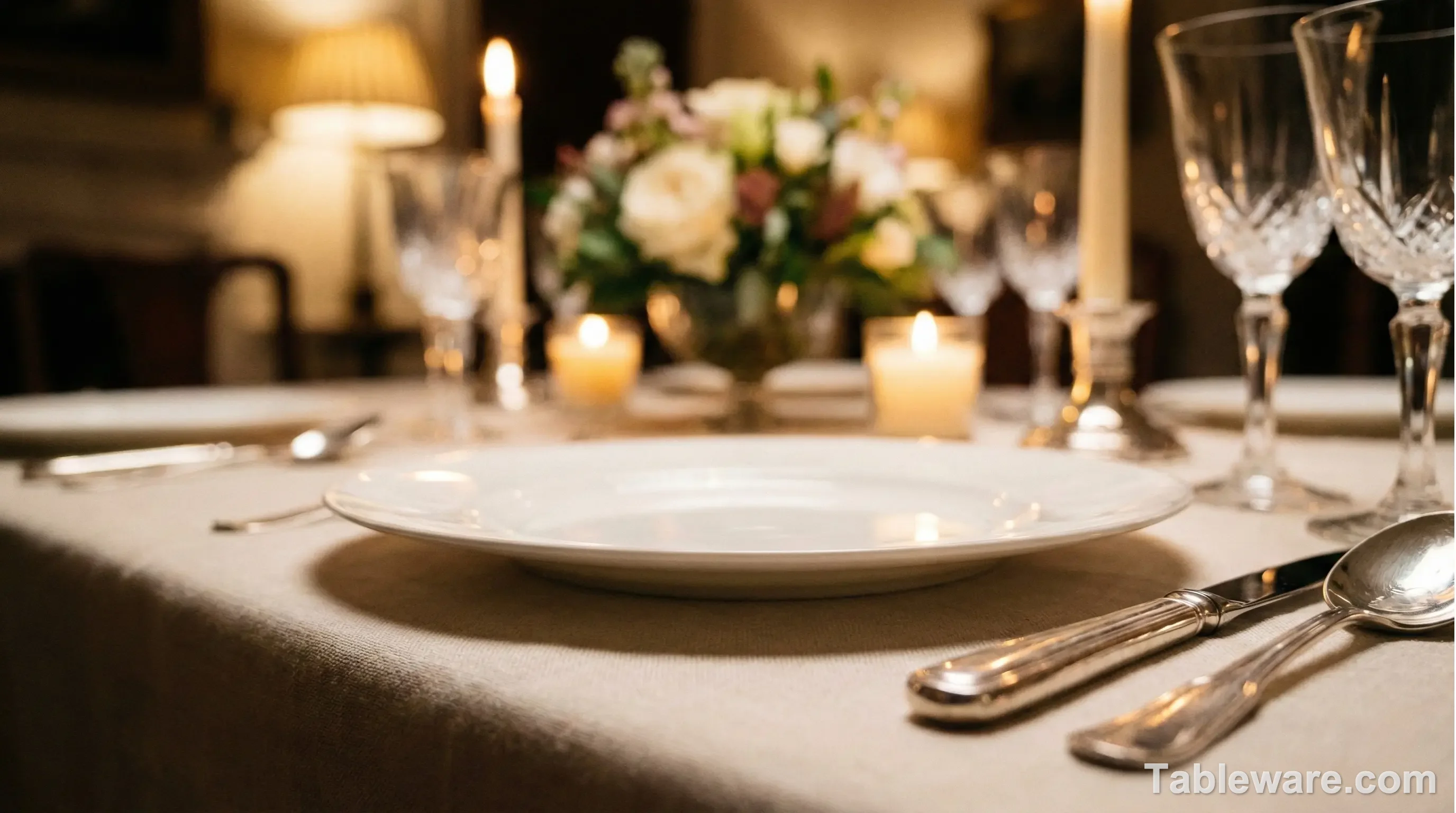
Fig 2. The height of elegance. The thinness and brilliant white color of bone china provide the perfect canvas for gourmet plating, elevating the dining experience.
Pros:
Cons:
This is the fastest-growing segment of the market, and frankly, my personal favorite. This category attempts to bridge the gap: durable enough for daily use, but beautiful and unique enough to serve to company without apology. These are often high-quality porcelains or artisanal-style stoneware that focus on design as much as function.
I reviewed a set from a popular direct-to-consumer brand that specializes in ceramics that feel "handmade" but are produced consistently. They usually feature organic shapes (slightly imperfect circles) and complex, semi-matte glazes.
My Honest Take: I feel this is where most people should spend their money. If you live in a smaller space or simply don't want the clutter of owning two distinct sets of dishes (everyday vs. formal), this is your solution.
These plates have personality. They aren't sterile factory cutouts, but they aren't clunky pottery projects either. They strike a balance that I find incredibly appealing. I used this set for a casual brunch with friends and received multiple compliments. The same evening, I used them for leftover pizza. They felt appropriate in both scenarios.
The Aesthetic: The key here is usually "organic modern." The colors are muted—creams, speckles, slate blues. They look incredible on open shelving. They frame food beautifully without competing for attention like a heavily patterned fine china plate might.
Durability Test: They are dishwasher safe and generally microwave safe. They aren't quite as tank-like as the heavy stoneware in category one, and they aren't as refined as bone china. They sit comfortably in the middle. Over three months of use, I noticed one tiny micro-chip on the lip of a bowl, likely from aggressive stacking.
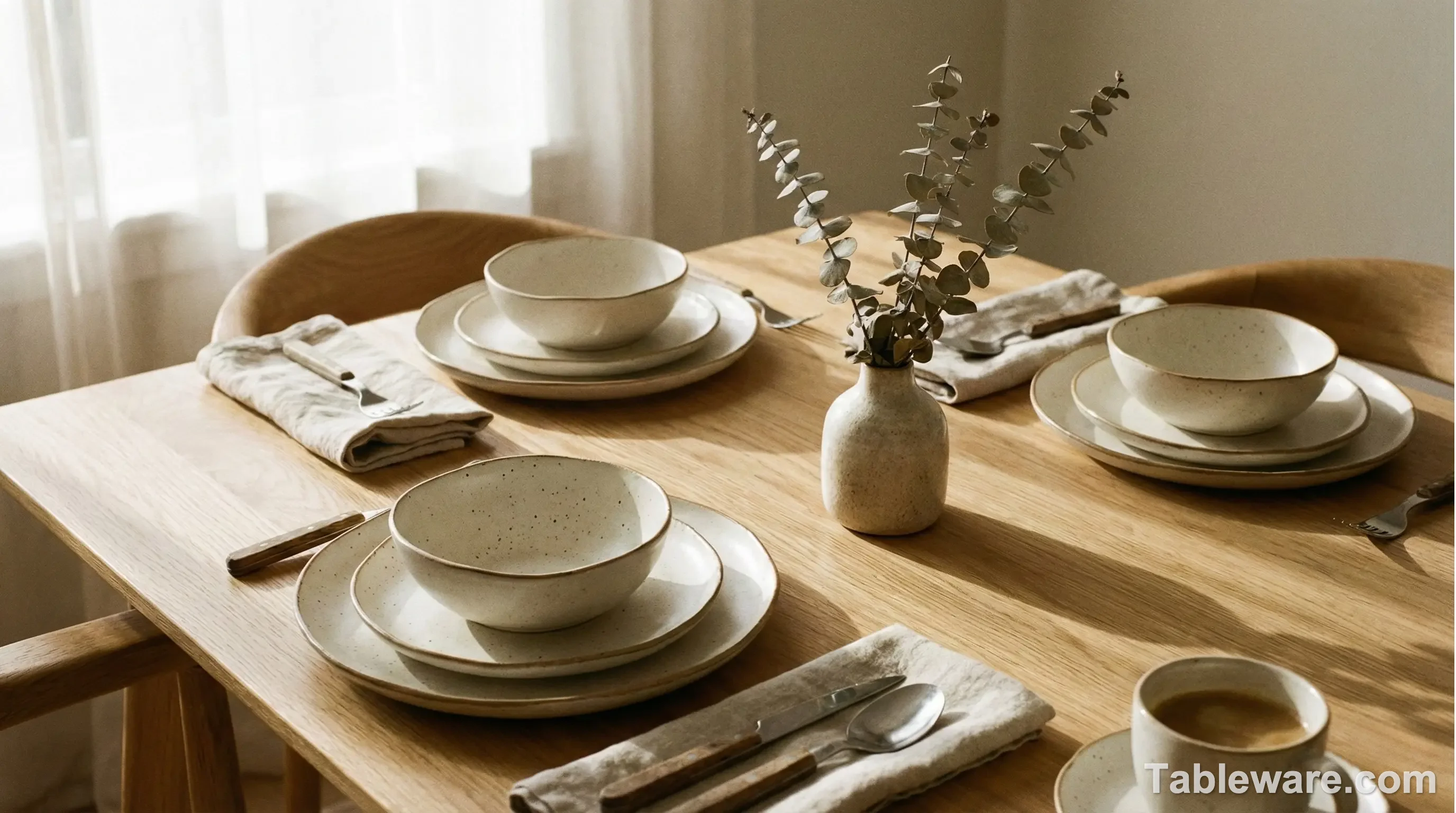
Fig 3. The Goldilocks Zone: Artisanal-style ceramics that offer a unique, handmade feel without the extreme fragility of fine china, making them perfect for those who want style and substance.
Pros:
Cons:
To wrap up this review, I want to reiterate that your choice should depend on your current lifestyle stage.
If you have toddlers throwing things from high chairs, do not buy Bone China. Stick to the Everyday Workhorses. Embrace the heft of stoneware and save your money and your sanity.
If you are an empty nester who loves hosting formal dinner parties and appreciates the finer details of a perfectly set table, invest in the Fancy Investment Pieces. The joy they bring during those specific moments is worth the cost.
But if you are like me—someone who wants their Tuesday night pasta to look good, but also hosts the occasional slightly-too-loud dinner party, and wants one set of dishes that can handle it all—aim for the Versatile Middle Ground. I think it’s the best value proposition on the market today. It’s dinnerware that respects the reality of daily life without sacrificing the beauty of the meal.
Monday, February 16, 2026
Friday, February 13, 2026
Wednesday, February 11, 2026
We review the best tableware for your modern home.