Choosing the right tableware is one of the most impactful decisions you can make for your home. It is not merely about having vessels to hold your food; it is about setting the stage for your daily life. The plates, bowls, and cups you use dictate the aesthetic of your dining room, influence how your culinary creations are perceived, and, perhaps most importantly, determine how much time you spend worrying about chips, cracks, and replacements.
For decades, there has been a significant gap between the delicate, ornate china sold for home use and the robust, high-performance ceramics used in bustling restaurant kitchens. Homeowners were often forced to choose between beauty and durability. However, the modern culinary landscape has shifted. Today's home chefs demand more. They want the heat retention of a bustling café, the plating aesthetics of a Michelin-starred restaurant, and the heavy-duty durability of a busy neighborhood bistro—all in their own kitchens.
This comprehensive buying guide is designed to demystify the process of purchasing tableware. We will explore the nuances of material science, decode the architectural design features that prevent chipping, and help you curate a collection that perfectly balances stunning visual appeal with unbreakable practicality.
If you are ready to upgrade your dining experience, we highly recommend exploring our newly launched Professional Tableware Collections, where we have carefully curated pieces that meet the exact rigorous standards discussed in this guide.
1. Assessing Your True Dining Needs: Form Follows Function
Before you even begin looking at glaze colors or plate silhouettes, you must conduct an honest assessment of your lifestyle. The biggest mistake consumers make is buying tableware for the life they imagine having, rather than the life they actually live.
Are you a busy family of five where plates are frequently loaded into the dishwasher by children? Are you an avid home barista who values the thermal dynamics of a perfect espresso? Or are you a frequent host who throws elaborate dinner parties requiring massive serving platters?
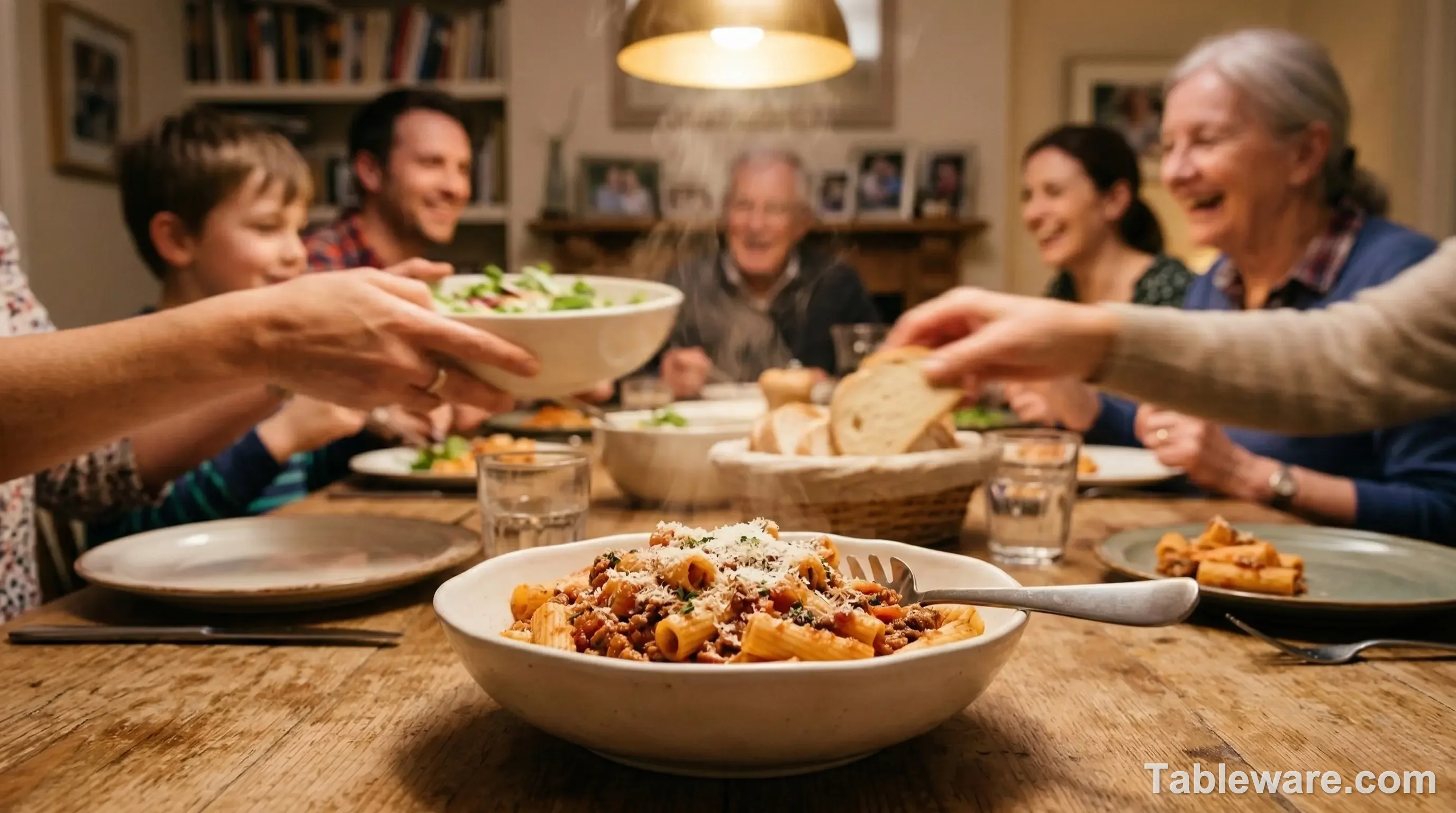
Fig 1. Assessing whether you need everyday durability for a family or elegant pieces for occasional hosting is the crucial first step in your buying journey.
The Family Hub: Prioritizing Indestructibility
If your dining table is the chaotic, beautiful center of family life, your primary metric for tableware must be durability. You need pieces that can survive being dropped into the sink, banged against granite countertops, and subjected to the intense heat and chemical detergents of daily dishwasher cycles.
For this demographic, delicate bone china or porous earthenware is a recipe for frustration. Instead, you should seek out heavy-weight porcelain designed specifically for high-volume service. Look for collections like The Bistro Durability Series, which feature reinforced edges to withstand the inevitable knocks of family life while remaining elegant enough for a Sunday roast.
The Home Entertainer: Versatility and Canvas
If you frequently host dinner parties, holidays, or casual weekend get-togethers, your tableware needs to be a versatile canvas. You are not just serving food; you are presenting it.
Entertainers need a mix of standard dinnerware and specialized serveware. You will need large, dramatic platters that can handle everything from a charcuterie spread to a whole roasted turkey. Furthermore, you want pieces that are easy to carry when fully loaded and won't warp or crack under the weight of heavy dishes.
The Culinary Enthusiast: Aesthetics and Experience
For the serious home chef, plating is an art form. The color, texture, and shape of the plate are just as important as the ingredients themselves. If you spend hours perfecting a sauce or searing a scallop, you do not want to serve it on a scratched, generic plate. You need tableware that provides contrast and visual interest, perhaps breaking the traditional mold of "everything must be white."
2. Demystifying Materials: Why Porcelain is the Professional Standard
When browsing a tableware buying guide, you will encounter four primary materials: Earthenware, Stoneware, Bone China, and Porcelain. While all have their merits, if you are seeking professional-grade durability and performance, porcelain reigns supreme.
The Shortcomings of Earthenware and Stoneware
Earthenware is fired at lower temperatures, making it highly porous. It relies entirely on its glaze to keep moisture out. If it chips—and it will, easily—the underlying clay will absorb water, expand, and eventually harbor bacteria or crack in the microwave.
Stoneware is much tougher and is fired at higher temperatures until vitrified (glass-like and non-porous). It offers a beautiful, rustic, heavy feel. However, stoneware can be incredibly bulky, taking up massive amounts of cabinet space, and the complex, reactive glazes often used on stoneware can be prone to scratching from standard cutlery over time.
The Elegance but Impracticality of Bone China
Bone china incorporates bone ash into the clay, resulting in a remarkably strong, thin, and translucent material. It is the traditional choice for formal dining. However, its lightweight nature means it lacks the thermal mass necessary to keep food hot for long periods, and its delicate appearance often makes users hesitant to use it for everyday, messy meals.
High-Fired Porcelain: The Sweet Spot
This brings us to high-fired porcelain, the undisputed champion of the commercial restaurant industry. Porcelain is made from highly refined kaolin clay and fired at extreme temperatures (often exceeding 1,300°C or 2,370°F).
This extreme heat transforms the clay into a dense, incredibly hard, and fully vitrified material.
- Scratch Resistance: A high-quality porcelain glaze is physically harder than the stainless steel used in your forks and knives.
- Non-Porous: Even if you manage to chip a piece of heavy-duty porcelain, the exposed material beneath will not absorb water or stains.
- Thermal Shock Resistance: Professional porcelain can go from a warm oven to a cool countertop without shattering.
When you browse collections designed for durability—such as those found in our Professional Tableware Collections—you will almost exclusively find them crafted from this type of high-fired, commercial-grade porcelain.
3. Engineering for Survival: Key Design Features to Look For
Professional tableware isn't just made from better materials; it is structurally engineered differently than standard consumer dinnerware. When evaluating a potential purchase, look closely at the physical architecture of the plate or cup.
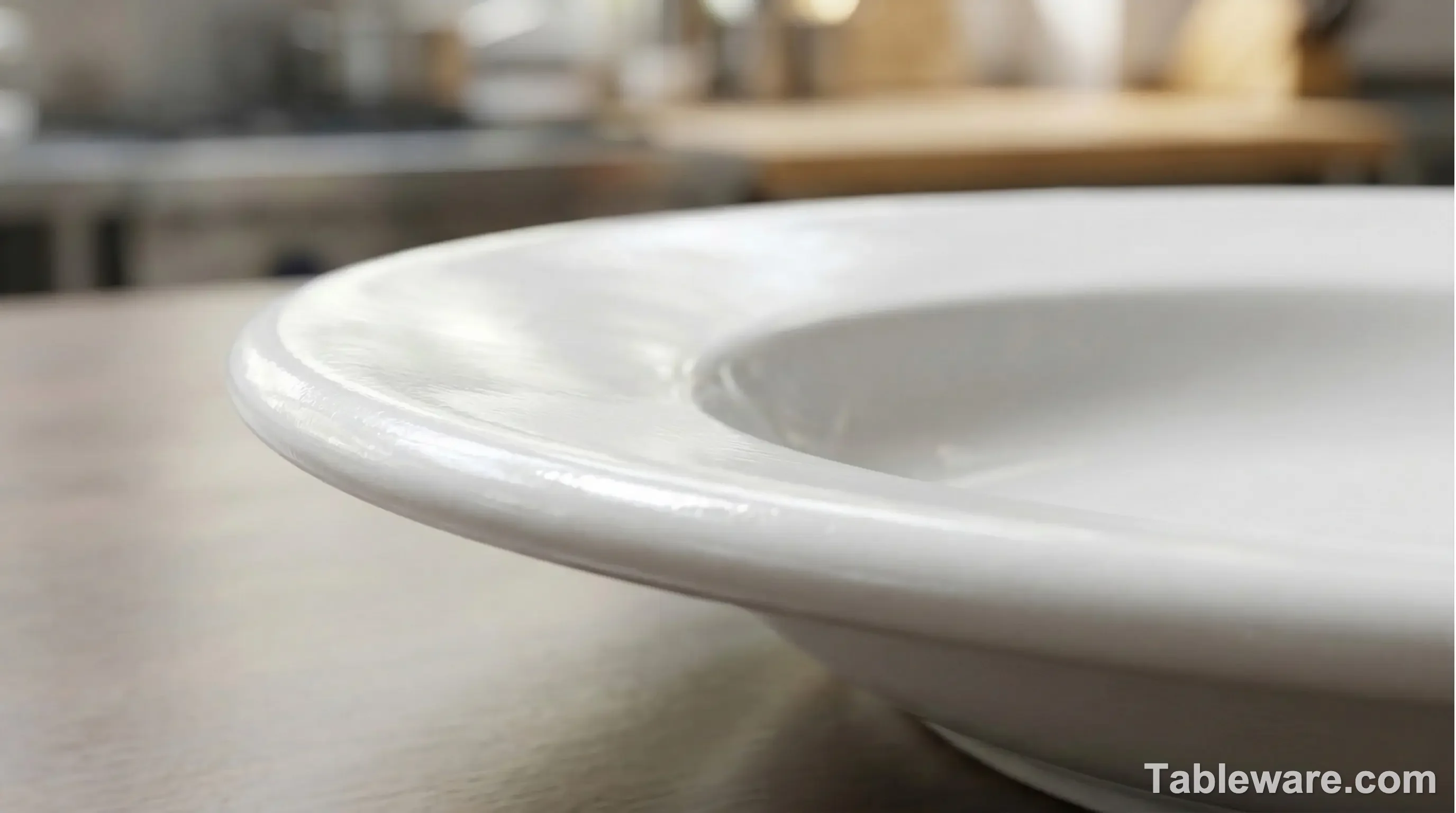
Fig 2. A reinforced rolled edge is a hallmark of professional-grade tableware, offering superior resistance against chipping during stacking and washing.
The Reinforced Rolled Edge
Take a close look at a standard, cheap ceramic plate. The rim usually tapers off to a relatively thin edge. This thin edge is the most vulnerable point on the plate. When plates are quickly stacked in a cabinet or clattered together in a dishwasher, it is these thin edges that chip first.
Professional plates, like those in The Bistro Durability Series, feature a "reinforced rolled edge." The rim of the plate is deliberately thickened and rounded. This creates a bumper-like effect, dispersing the kinetic energy of a knock over a larger, thicker surface area. It is a subtle design choice that extends the lifespan of the plate exponentially.
Heavy-Weight Body and Thermal Mass
Pick up a professional restaurant plate. You will immediately notice it is significantly heavier than a standard plate. This "heavy-weight body" serves two vital functions.
First, the sheer mass of the vitrified porcelain makes it incredibly resistant to breaking. Second, and perhaps more importantly for the dining experience, it provides immense thermal mass. In a restaurant, plates are kept in warmers. The thick porcelain absorbs this heat and holds onto it, ensuring that by the time the steak reaches your table, it is still sizzling. You can replicate this at home by briefly warming your heavy-duty plates in the oven; your food will stay hot significantly longer.
Scratch-Resistant Matte Glazes
Traditionally, all high-end tableware was finished with a high-gloss glaze. However, modern gastronomy has embraced matte finishes for their sophisticated, contemporary look.
The challenge with cheap matte plates is that they show cutlery marks horribly. The soft matte surface literally sands the metal off your knives, leaving ugly grey streaks. If you desire a matte aesthetic—such as the striking Midnight Slate Texture Plate—you must ensure it uses a specially formulated, high-fired, scratch-resistant matte glaze. This allows you to break the tradition of white tableware without sacrificing the pristine look of your plates over time.
4. Curating Your Essential Pieces: What Do You Actually Need?
A common pitfall when buying tableware is purchasing massive "sets" that include pieces you will never use (like teacups and saucers in a household that only drinks coffee, or tiny bread plates that just take up space). Instead of buying a pre-packaged box, build a tailored collection based on essential utility.
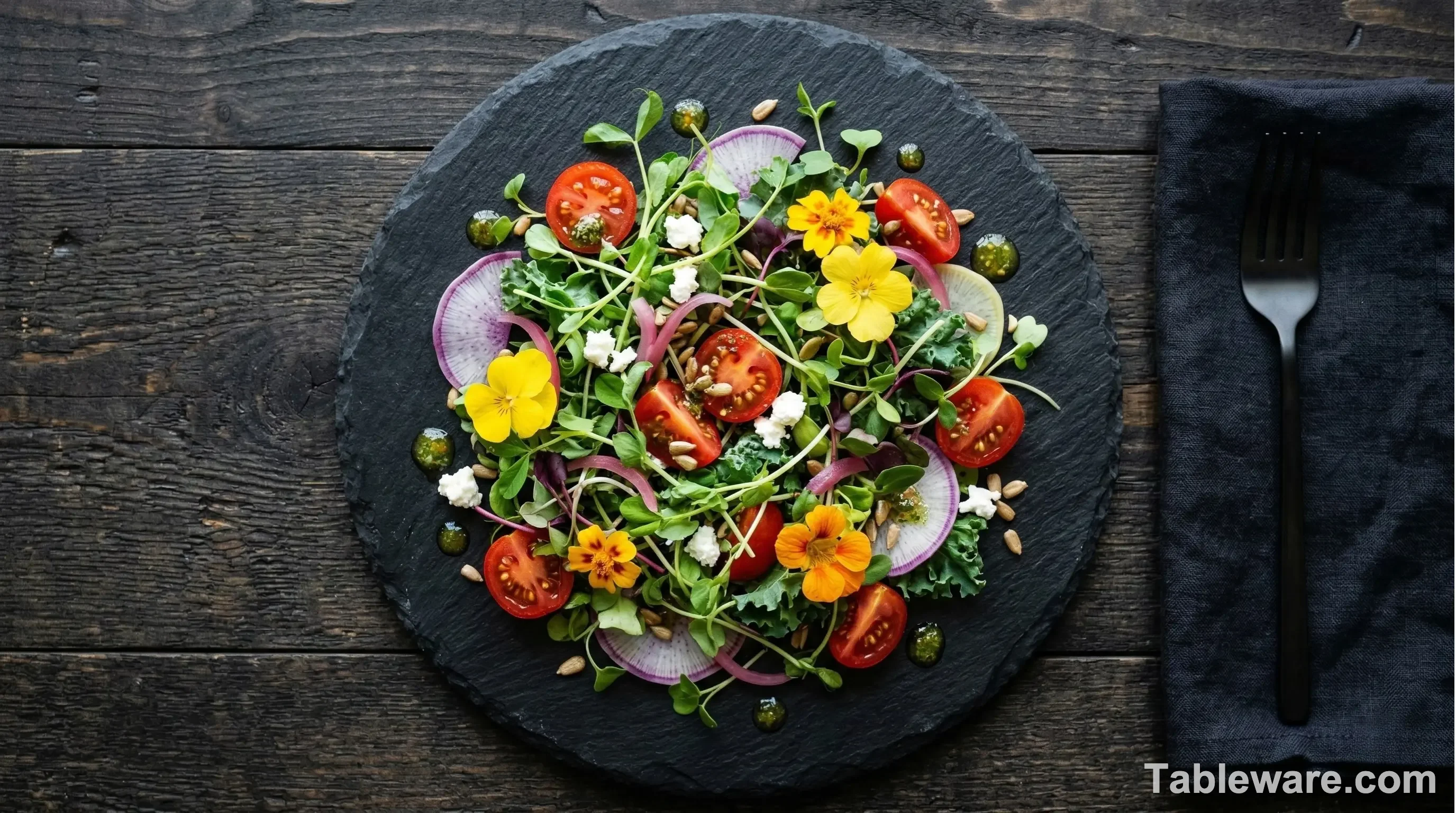
Fig 3. Breaking the tradition of white plates with a scratch-resistant Midnight Slate Texture Plate allows colorful ingredients to truly stand out.
The Foundation: The Everyday Plate and Bowl
Your core collection should consist of pieces that can handle 90% of your meals.
- The Main Plate: Look for a diameter of 10.5 to 11 inches. A wide, flat dining area with a slight lip is ideal for keeping sauces contained while offering plenty of room for protein and sides. If you want to elevate your daily meals, a dark, textured plate like the Midnight Slate Texture Plate makes colorful vegetables and light sauces pop visually, mimicking natural slate but with the hygiene and durability of porcelain.
- The Bistro Bowl: The shallow, wide bowl (often called a "blate" or pasta bowl) is arguably the most useful vessel in modern dining. Deep enough for soups, stews, and heavy pasta dishes, yet wide enough to comfortably cut a piece of chicken. The Bistro Durability Series offers exactly this kind of heavy-weight body, perfect for casual dining where durability is paramount.
The Hosting Hero: The Banquet Serveware
You cannot serve a beautifully roasted salmon or an extensive array of sushi on a standard dinner plate. For hosting, you need dedicated serveware.
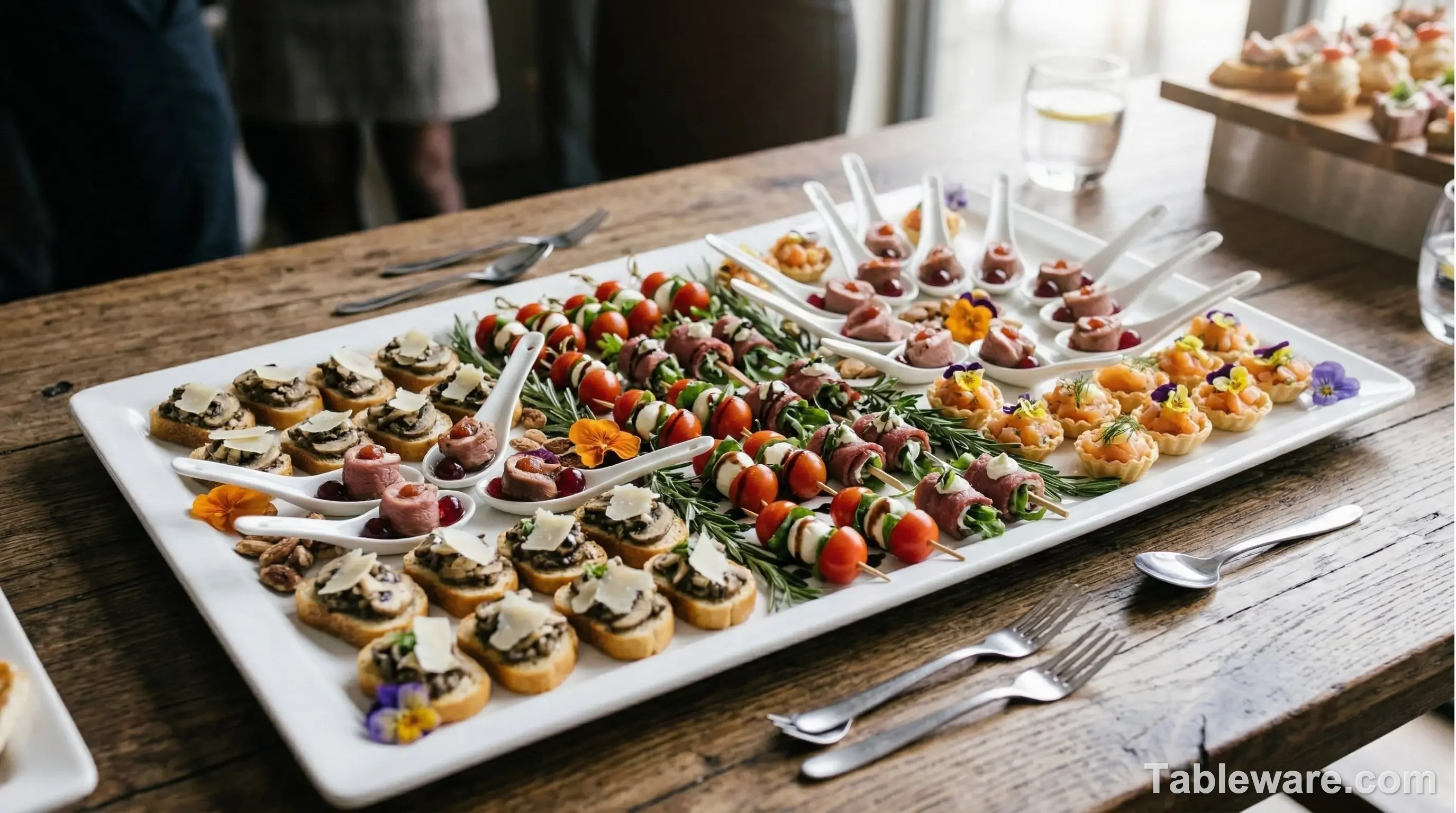
Fig 4. For high-volume hosting, a heavy-duty rectangular platter with reinforced corners is essential for presenting appetizers, roasts, or sushi elegantly.
When selecting serveware, prioritize geometry and strength. Round platters take up an enormous amount of table real estate while offering less usable surface area. A rectangular platter, like The Banquet Serving Platter (35cm), is far more efficient. Look for heavy-duty platters with reinforced corners. Serving platters are large and unwieldy; when you are carrying a platter loaded with three pounds of roast beef, you want the peace of mind that the porcelain will not snap under the tension.
The Daily Ritual: Barista-Grade Drinkware
Do not overlook your coffee and tea cups. If you invest in high-quality beans and a good coffee machine, drinking from a thin, cheap mug ruins the experience.
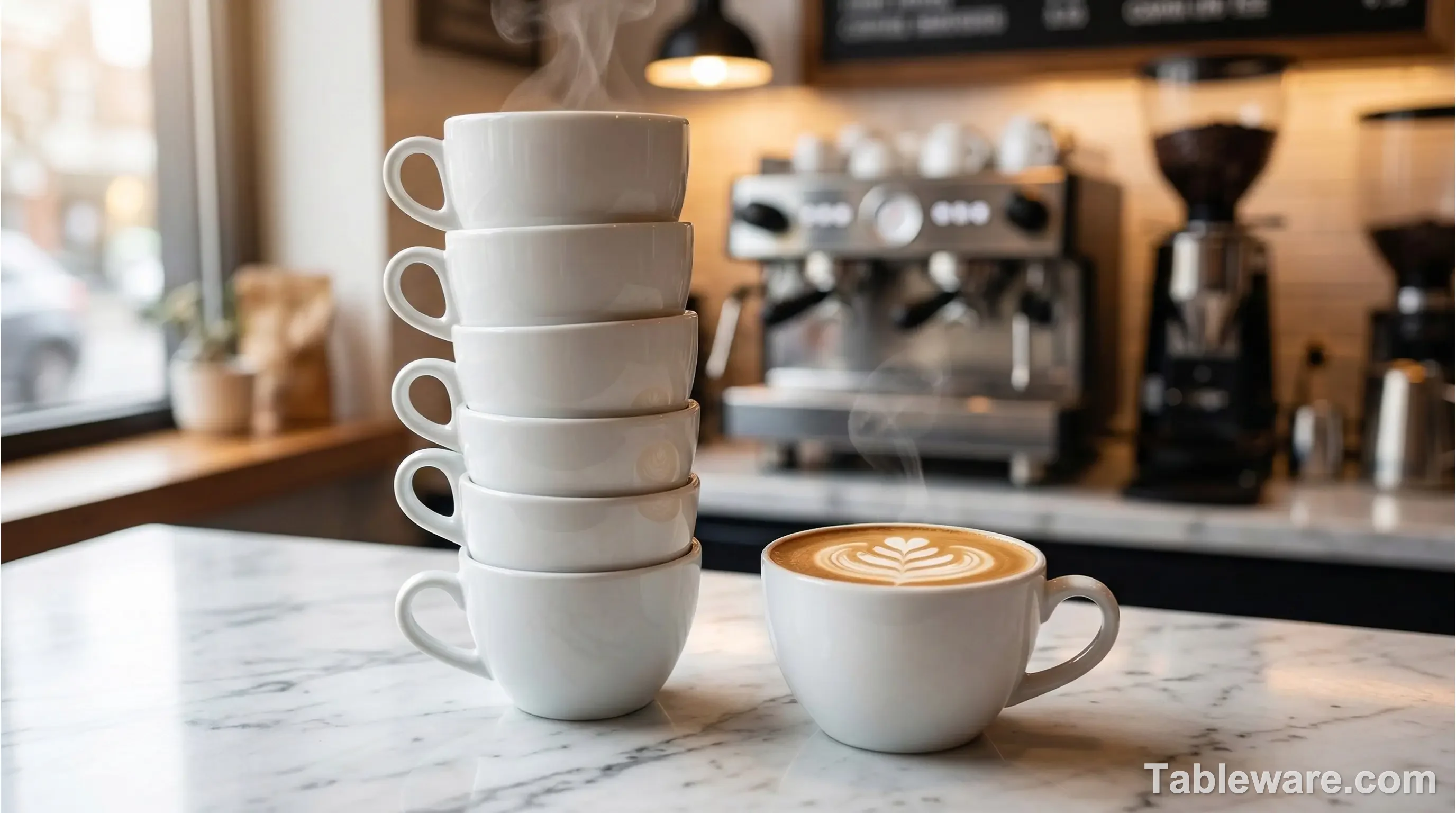
Fig 5. Barista-grade cups feature thick-walled porcelain to retain heat and a locking base design that allows for safe vertical stacking to save cabinet space.
Professional cafes use very specific cups for a reason. Barista Grade Stackable Cups are engineered with extremely thick walls at the base to retain the heat of the espresso, tapering slightly at the lip for a comfortable mouthfeel.
Furthermore, cabinet space is often at a premium in home kitchens. Look for ergonomic designs that feature a locking base. A true barista-grade cup is designed to allow safe vertical stacking (often up to 6 cups high). This transforms a cluttered shelf into a sleek, organized space, bringing true cafe essentials right into your home.
5. The Art of Mixing and Matching
The days of needing a perfectly matching 12-piece set where every bowl, plate, and cup is identical are largely over. Contemporary table setting is about curation and contrast.
By mixing and matching professional-grade pieces, you create a dynamic table setting that feels curated over time rather than bought in a single box.
- Texture Contrast: Pair the rustic, dark aesthetic of a Midnight Slate Texture Plate with the pristine, heavy-duty white of a Bistro Durability soup bowl placed on top. The visual contrast between the matte black and the glossy white is stunning and highlights the food within the bowl.
- Shape Contrast: Use the sharp, geometric lines of a large rectangular Banquet Serving Platter in the center of the table, surrounded by the soft, classic round shapes of your everyday dinner plates.
- Functional Harmony: Ensure that while the aesthetics may contrast, the quality is consistent. By ensuring all your pieces are made from high-fired, commercial-grade porcelain, you guarantee that they can all be washed, heated, and stored with the same level of care.
6. Long-Term Care for Professional Tableware
One of the greatest benefits of investing in professional-grade tableware is that it requires very little "special" care. It is built to be abused. However, understanding a few basic principles will keep your collection looking brand new for decades.
Metal Marks vs. Scratches
As mentioned earlier, high-quality porcelain glazes are incredibly hard. If you notice grey, pencil-like lines on your white plates, do not panic. These are rarely scratches in the glaze. Instead, they are metal marks on the glaze.
When you bear down hard with a stainless steel steak knife, the ceramic glaze actually files off microscopic particles of the softer metal, leaving a grey deposit behind. Because professional plates (like the Bistro series) are so hard, they are prone to causing this. Fortunately, it is entirely superficial. A quick scrub with a mild abrasive cleaner (like Bar Keepers Friend) will wipe the metal marks away instantly, revealing the pristine glaze underneath.
Proper Stacking and Storage
While rolled edges prevent chipping from side impacts, the unglazed bottom ring of a plate (the "foot") can scratch the glazed surface of the plate beneath it if they are forcefully slid across one another.
Professional plates are heavy. When storing them, lift them cleanly off the stack rather than dragging them. If you are storing plates that won't be used frequently, placing a small paper towel or felt separator between them is an easy way to guarantee the glaze remains perfect. For your mugs, utilizing the locking base of Barista Grade Stackable Cups prevents them from clinking together in the cabinet.
Handling Extreme Temperatures
Commercial porcelain is highly resistant to thermal shock, meaning it can handle a wider range of temperature changes than standard ceramics. However, it is not invincible. Never take a cold plate directly from the refrigerator and place it into a 450-degree oven. Always allow the piece to come to room temperature first, or heat it gradually. Conversely, do not plunge a piping hot baking dish into a sink of cold dishwater.
Conclusion: An Investment in Your Daily Life
Tableware is one of the few items in your home that you interact with intimately multiple times a day. It is the vessel that holds your morning coffee, the canvas for your culinary experiments, and the centerpiece of your family gatherings.
By stepping away from fragile consumer dinnerware and embracing the structural engineering, high-fired materials, and specialized designs of commercial pieces, you permanently elevate your home dining experience. You stop worrying about chipping plates in the sink and start focusing on the joy of the meal itself.
Whether you are seeking the heavy-duty reliability of a bistro bowl, the space-saving brilliance of stackable cafe cups, or the dramatic modern flair of a slate-textured plate, the right tools are out there.
Take the next step in transforming your dining room by exploring our carefully selected Professional Tableware Collections. Discover the perfect canvas for your culinary creations and invest in tableware that is built to endure a lifetime of beautiful meals.